
8 min read • 1,645 words
Cycle History: A Journey Through Time
Cycle history The of bicycle or — The history of the bicycle, or cycle history, is a fascinating tale that Learn more about the steps and the final checks.
Understanding cycle history is not just about the mechanics of bicycles; it also highlights their cultural impact. For instance, bicycles played a crucial role in women’s liberation movements in the late 19th century, promoting independence and mobility. Additionally, the Tour de France, first held in 1903, stands as one of the most prestigious cycling races in the world, showcasing the sport’s evolution and its significance in modern culture. Through this exploration, readers will gain insights into how bicycles have shaped society and continue to influence our lives today.
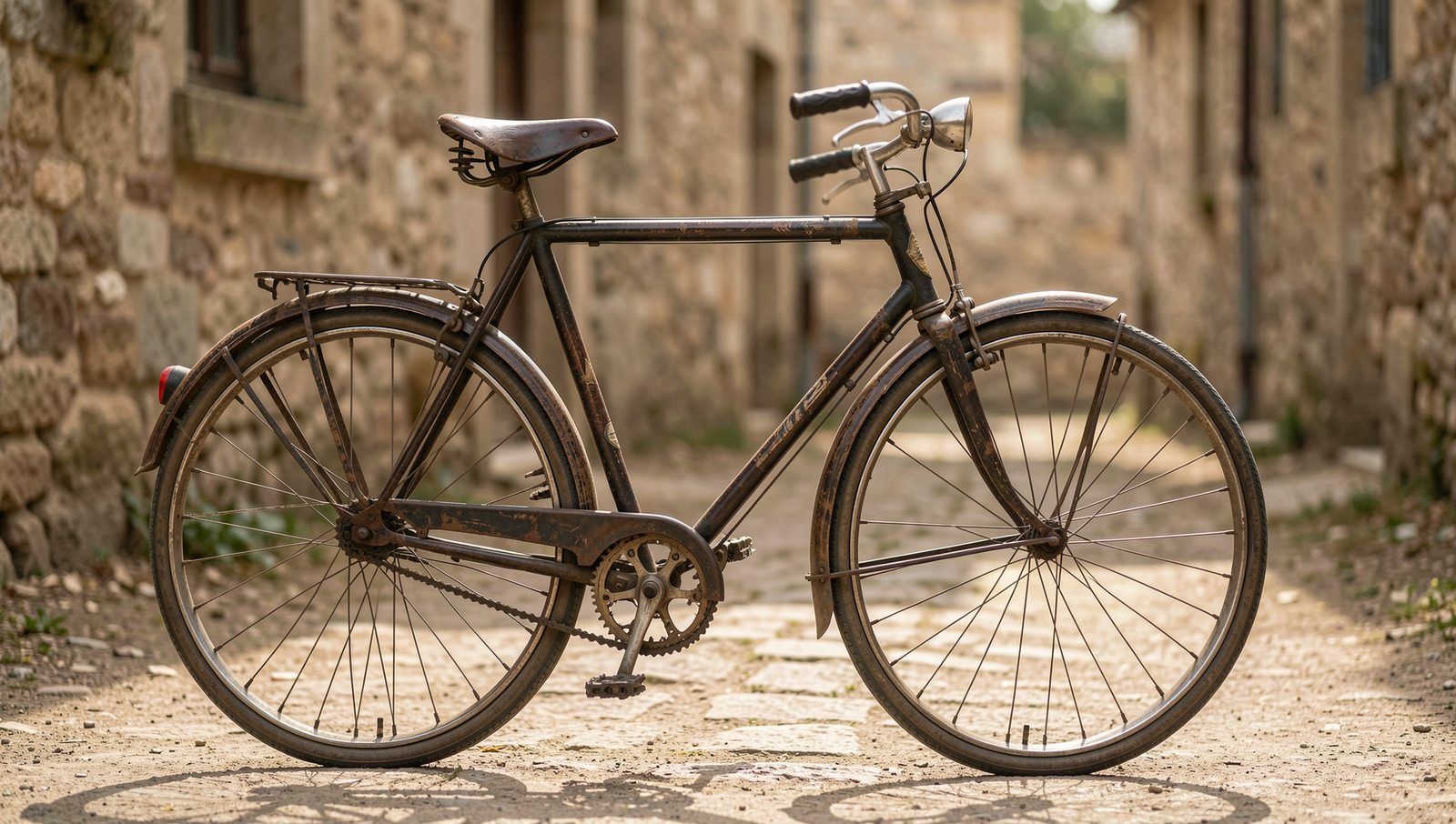
Introduction to Cycle History
Cycling, defined as the act of riding a bicycle, serves as both a mode of transportation and a recreational activity. Its significance extends beyond mere mobility; it promotes health, reduces environmental impact, and fosters social interaction. As a sustainable means of transport, cycling has gained popularity in urban planning, encouraging cities to develop bike lanes and cycling infrastructure.
The evolution of bicycles is a fascinating journey that began in the early 19th century. The first verifiable bicycle, known as the “Draisine” or “hobby horse,” was invented by Baron Karl von Drais in 1817. This two-wheeled contraption lacked pedals and required users to push off the ground with their feet. The 1860s saw the introduction of the pedal-powered bicycle, known as the “Velocipede,” which featured a front wheel larger than the rear, allowing for greater speed. The late 19th century brought the “safety bicycle,” which is more akin to modern designs, featuring equal-sized wheels and a chain drive.
- 19th Century: Invention of the Draisine and Velocipede.
- Late 1800s: Introduction of the safety bicycle.
- 20th Century: Development of various bicycle types, including road, mountain, and hybrid bikes.
- 21st Century: Rise of electric bicycles and smart cycling technology.
Studying cycle history is vital for understanding cultural and societal changes over time. Bicycles have played a crucial role in various movements, including women’s rights and environmentalism. By examining the evolution of cycling, we gain insights into technological advancements, shifts in transportation practices, and the growing emphasis on sustainable living. This knowledge not only enriches our appreciation for cycling but also informs future developments in transportation and urban planning.
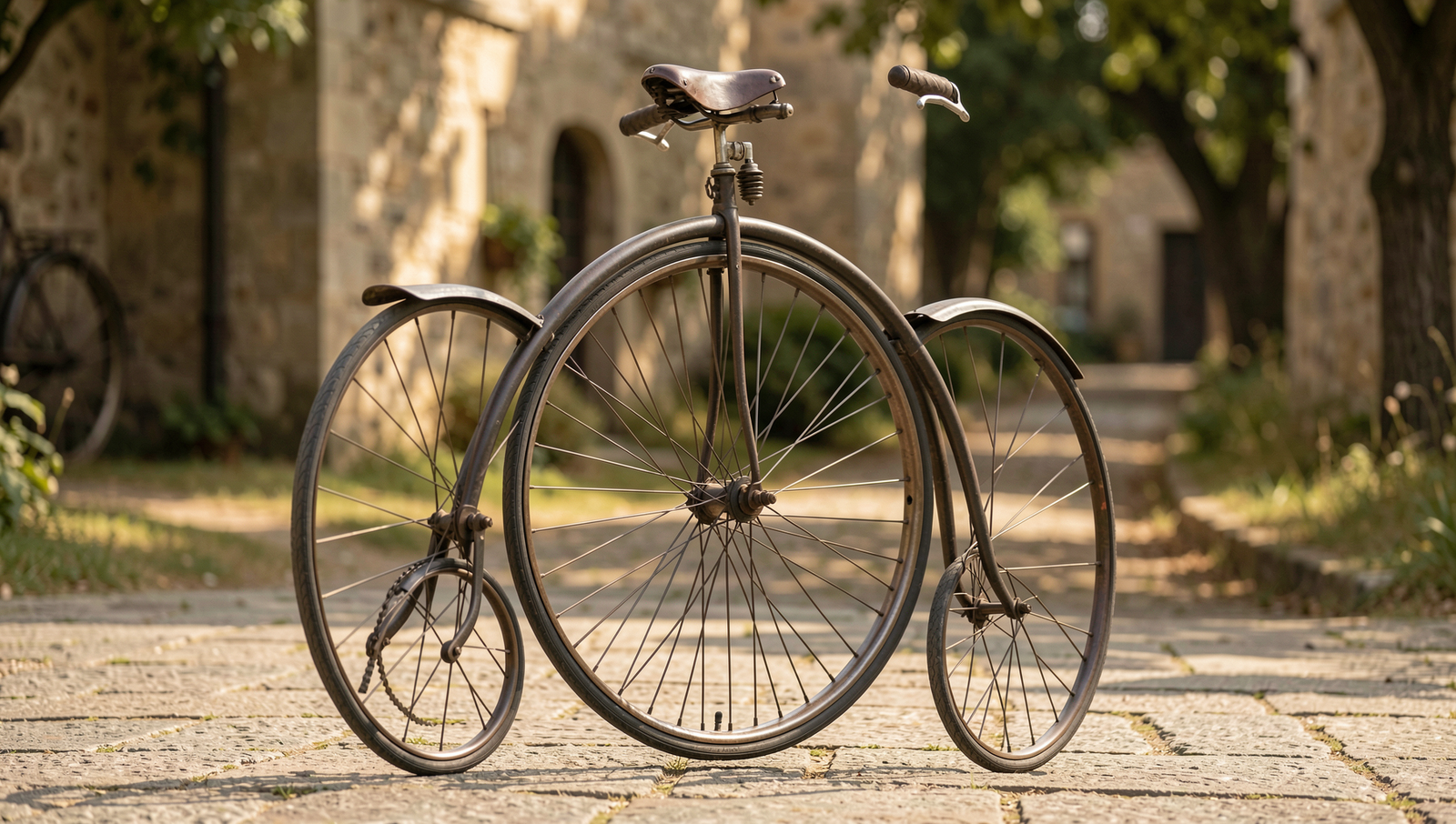
The Early Years of Cycling
The history of cycling can be traced back to the early 1800s when inventors began experimenting with bicycle-like machines. The first significant invention was the “Draisine,” created by Karl Drais in 1817. This two-wheeled contraption, also known as the “running machine,” allowed riders to propel themselves forward by pushing their feet against the ground. Although it lacked pedals, the Draisine laid the groundwork for future developments in cycling technology.
In the 1870s, the introduction of the penny-farthing revolutionized cycling. This bicycle featured a large front wheel and a smaller rear wheel, which allowed for greater speed. The penny-farthing quickly gained popularity among the upper classes, as it symbolized status and modernity. However, its design also posed significant risks, leading to numerous accidents. Despite these dangers, the penny-farthing played a crucial role in increasing public interest in cycling, paving the way for the development of safer bicycles.
Cycling also became intertwined with social movements, notably the suffragette movement in the late 19th and early 20th centuries. Women began to embrace cycling as a means of transportation and independence. The bicycle provided women with the freedom to travel, advocate for their rights, and challenge societal norms. Prominent suffragettes, such as Susan B. Anthony, recognized the bicycle’s potential to empower women and promote social change.
- Early bicycle-like machines included the Draisine and the velocipede.
- The penny-farthing became popular in the 1870s, despite its dangers.
- Cycling played a significant role in the suffragette movement, promoting women’s rights.
In summary, the early years of cycling were marked by innovation, social change, and the emergence of a new form of transportation that would shape society for generations to come.

The Golden Age of Cycling
The late 19th and early 20th centuries marked a significant boom in cycling, often referred to as the Golden Age of Cycling. This period saw an unprecedented rise in the popularity of bicycles, which became accessible to a broader segment of the population. The introduction of the safety bicycle, with its equal-sized wheels and chain drive, made cycling safer and more appealing. As a result, cycling emerged as a favored mode of transportation, leisure activity, and sport.
This surge in cycling had a profound impact on urban planning and infrastructure. Cities began to adapt to the influx of cyclists by developing dedicated bike lanes, parking facilities, and improved road surfaces. The need for safe cycling routes led to a rethinking of urban spaces, promoting a more pedestrian-friendly environment. For example, cities like Amsterdam and Copenhagen began to prioritize cycling in their urban designs, setting a precedent that many others would follow.
Moreover, the rise of competitive cycling during this era contributed to the sport’s popularity. Major races such as the Tour de France, established in 1903, showcased the endurance and skill of cyclists, drawing large audiences and fostering a competitive spirit. These events not only highlighted the capabilities of cyclists but also encouraged advancements in bicycle technology.
- Lightweight materials such as aluminum and carbon fiber began to be used in bike manufacturing.
- Gear systems evolved, allowing for smoother transitions and better performance.
- Braking systems improved significantly, enhancing safety for riders.
As cycling continued to evolve, it became ingrained in the culture of many nations, shaping both recreational activities and competitive sports, thus leaving a lasting legacy in cycle history.

Modern Cycling Trends and Innovations
In the 21st century, cycling has experienced a remarkable resurgence in urban areas, transforming from a recreational activity into a primary mode of transportation. Cities around the world are increasingly recognizing the benefits of cycling, leading to the development of extensive bike lanes, bike-sharing programs, and cycling-friendly infrastructure. This shift is not only about convenience but also about creating sustainable urban environments.
Environmental concerns have played a significant role in the growing popularity of cycling. As cities grapple with pollution and traffic congestion, cycling emerges as a clean and efficient alternative. Many urban planners are now prioritizing cycling as part of their strategies to reduce carbon footprints and promote greener living. This trend is evident in cities like Amsterdam and Copenhagen, where cycling is deeply integrated into the urban lifestyle.
Technological innovations have also contributed to the evolution of bicycles, making them more accessible and appealing to a broader audience. Modern bicycles are now designed with lightweight materials such as carbon fiber and aluminum, enhancing performance and durability. Additionally, advancements in gear systems, brakes, and electric bike technology have made cycling easier and more enjoyable for riders of all skill levels.
- Lightweight materials improve speed and efficiency.
- Electric bikes offer assistance for longer commutes.
- Smart technology integrates navigation and fitness tracking.
Moreover, cycling promotes health and well-being, serving as an effective form of exercise that can easily fit into daily routines. As more individuals recognize the physical and mental health benefits of cycling, it has become a popular choice for commuting, leisure, and fitness. This holistic approach to cycling not only enhances personal health but also fosters a sense of community among cyclists.
Conclusion
In summary, understanding cycle history is essential for grasping the evolution of cycling as both a sport and a mode of transportation. From the invention of the penny-farthing to the modern advancements in bicycle technology, each era has contributed to the rich tapestry of cycling culture. The benefits of studying cycle history extend beyond mere nostalgia; they offer insights into how societal changes, technological innovations, and environmental considerations have shaped cycling practices over time. This knowledge not only enriches our appreciation for the sport but also informs current and future developments in cycling.
As we look ahead, the next steps in exploring cycle history involve further research and documentation of local cycling narratives and innovations. Engaging with cycling communities and historical societies can help preserve these stories for future generations. By fostering a deeper connection to cycle history, we can inspire new cyclists and advocates, ensuring that the legacy of cycling continues to thrive and evolve in a sustainable manner.
Frequently Asked Questions
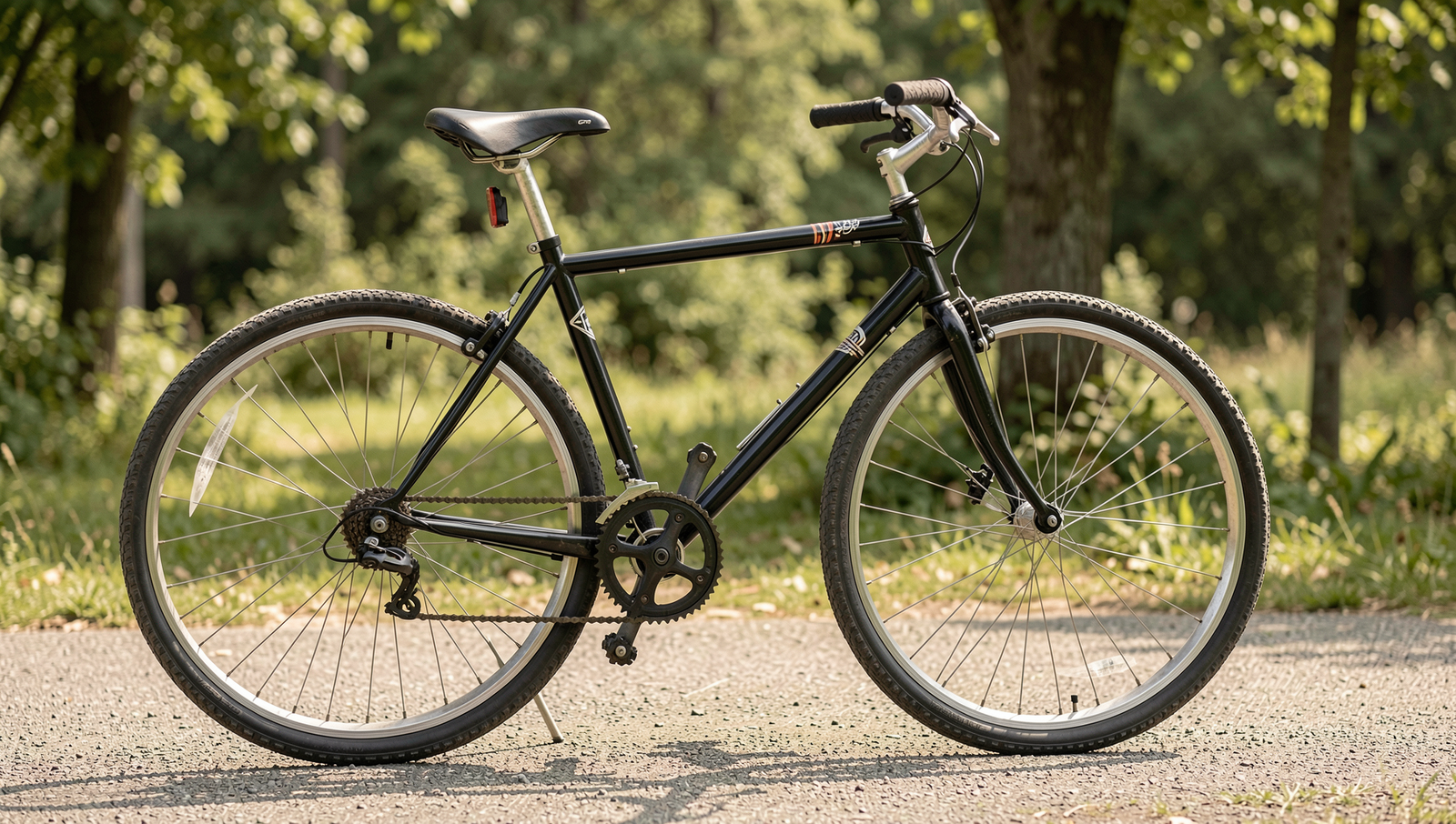
What is the history of the bicycle?
The history of the bicycle dates back to the early 19th century, beginning with the invention of the Laufmaschine by Karl Drais in 1817. This early two-wheeled contraption paved the way for future developments, leading to the penny-farthing and eventually the modern bicycle we know today.
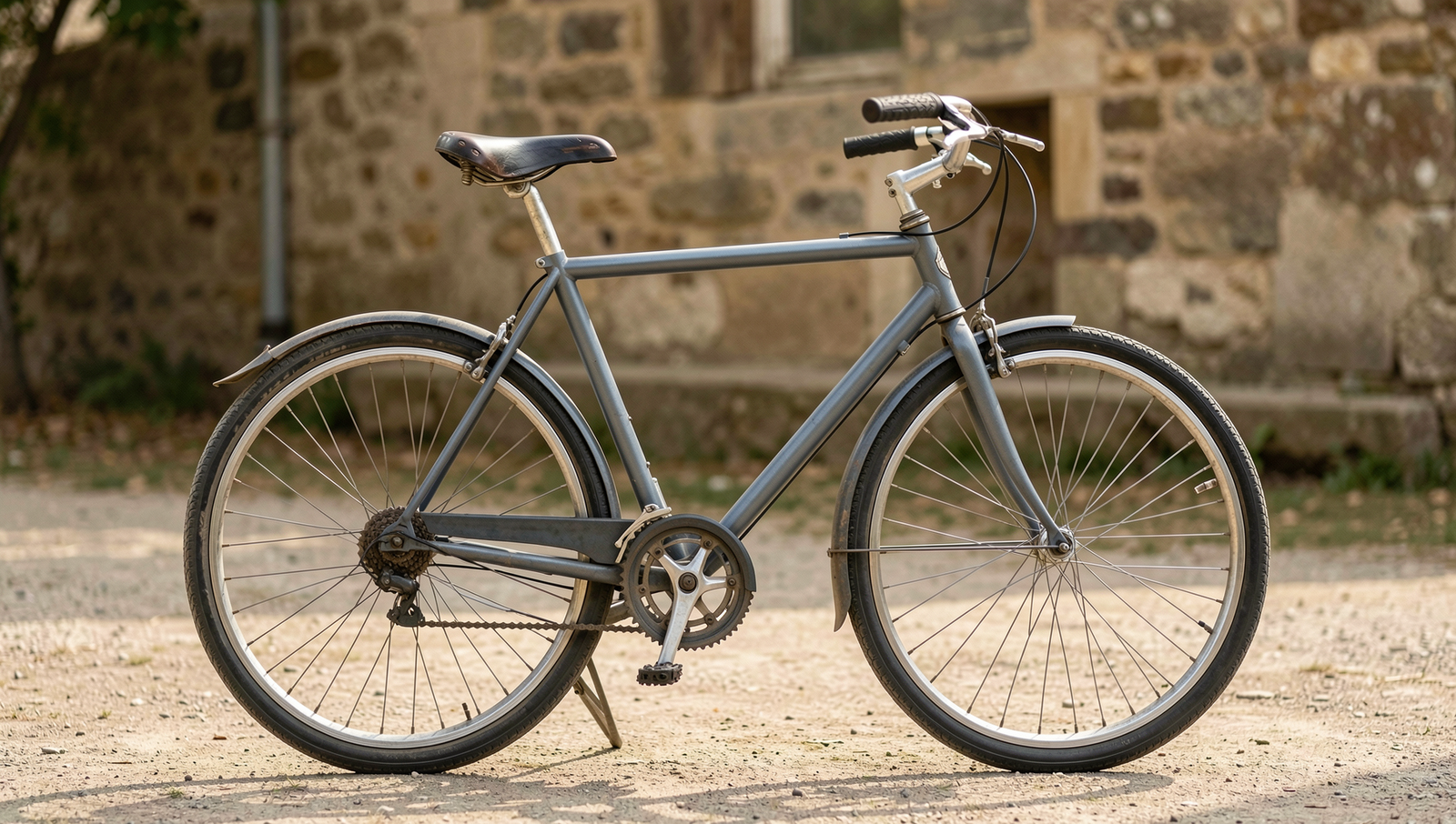
Who invented the first modern bicycle?
The first modern bicycle, known as the safety bicycle, was developed in the late 19th century by John Kemp Starley. His design featured equal-sized wheels and a chain-driven rear wheel, which made riding safer and more accessible, revolutionizing personal transportation.
How did bicycles evolve over time?
Bicycles evolved significantly from the early 19th century to the present day. Innovations included the introduction of pneumatic tires, gear systems, and lightweight materials. These advancements improved comfort, speed, and efficiency,

Для надежной защиты участка отлично подойдут ворота для забора откатные механические.
Главное преимущество этих систем заключается в том, что створка перемещается по линии забора и не мешает проезду.
xihxljPZhkBgvyHOBxPvT
Если вы хотите быстро и эффективно освоить новый язык, выбирайте школа изучения испанского языка, где обучение построено удобно и результативно.
Преподаватель формирует последовательный маршрут, разбирает трудные моменты и отслеживает результат.
На сильных программах большую роль играет разговор, поскольку он ускоряет преодоление языкового барьера.
Это делает обучение доступным для студентов, специалистов и родителей.
Также стоит обратить внимание на отзывы и опыт преподавателей.