
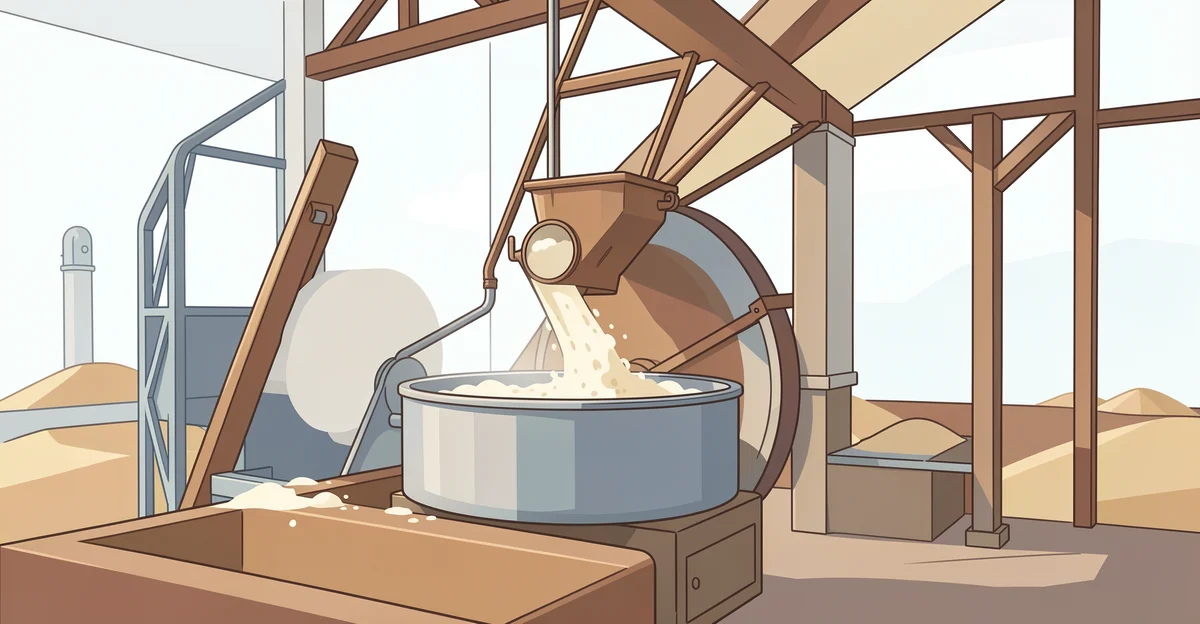
How Shugar Make in Shugar Mill — Have you ever stirred a spoonful of sugar into your coffee and wondered where Learn more about the steps and the final checks.
Introduction
Sugar is one of the most ubiquitous ingredients in the modern kitchen, yet few people pause to consider the complex industrial journey that transforms a humble stalk of sugarcane or a sugar beet into the white crystals that sweeten their coffee. Understanding how sugar is made in a sugar mill is not just a lesson in food science; it is an exercise in understanding agricultural supply chains, industrial efficiency, and quality control. This article explores how sugar is made in a sugar mill with clear, practical guidance, breaking down the process from raw harvest to refined product.
For anyone curious about food production, a tour through the logic of a sugar mill reveals a fascinating interplay of mechanical pressing, chemical purification, and thermal evaporation. Whether you are a student, a curious consumer, or someone involved in agricultural logistics, grasping the fundamentals of how sugar is made in a sugar mill helps you make informed decisions about the products you buy and the industries you support.
Reliable information and consistent habits lead to better long-term outcomes—not just in personal health, but also in understanding the systems that feed us. This guide will walk you through the entire process, from the moment the cane arrives at the mill to the final packaging of refined sugar.
Key Concepts
Before diving into the step-by-step mechanics, it is essential to define the core concepts that underpin sugar production. A sugar mill is distinct from a sugar refinery, though the terms are often used interchangeably in casual conversation. The mill is typically located near the cane fields and performs the initial extraction and raw sugar production. The refinery, often located closer to the end consumer, takes raw sugar and removes the remaining impurities to produce the white, sparkling crystals most people recognize.
The primary raw materials are sugarcane (a tropical grass) and sugar beet (a root vegetable). While the chemical composition of the extracted juice differs slightly, the fundamental goal is the same: extract a sucrose-rich liquid, purify it, concentrate it, and crystallize it. Key concepts include:
- Sucrose: The chemical name for table sugar, a disaccharide composed of glucose and fructose.
- Brix: A measure of the dissolved solids (mostly sucrose) in a liquid, used to track concentration.
- Clarification: The process of removing non-sugar impurities like proteins, gums, and waxes.
- Crystallization: The physical process where sucrose molecules arrange themselves into a solid, ordered lattice from a supersaturated solution.
- Molasses: The dark, viscous byproduct that remains after repeated crystallization cycles. It still contains sugar but is not economically viable to extract further in most mills.
Understanding these fundamentals is the first step toward appreciating the precision required in a modern mill. A single deviation in temperature or pH can affect the yield and quality of the final product. The process is a delicate balance between mechanical force and chemical reaction.
Deep Dive
The transformation of sugarcane into sugar is a linear but multi-stage process. Let us examine the deep mechanics of what happens inside a mill. The journey begins in the field. Once harvested, sugarcane must be processed quickly—ideally within 24 hours—because the sucrose content begins to degrade as soon as the cane is cut. This urgency dictates the logistical rhythm of the entire operation.
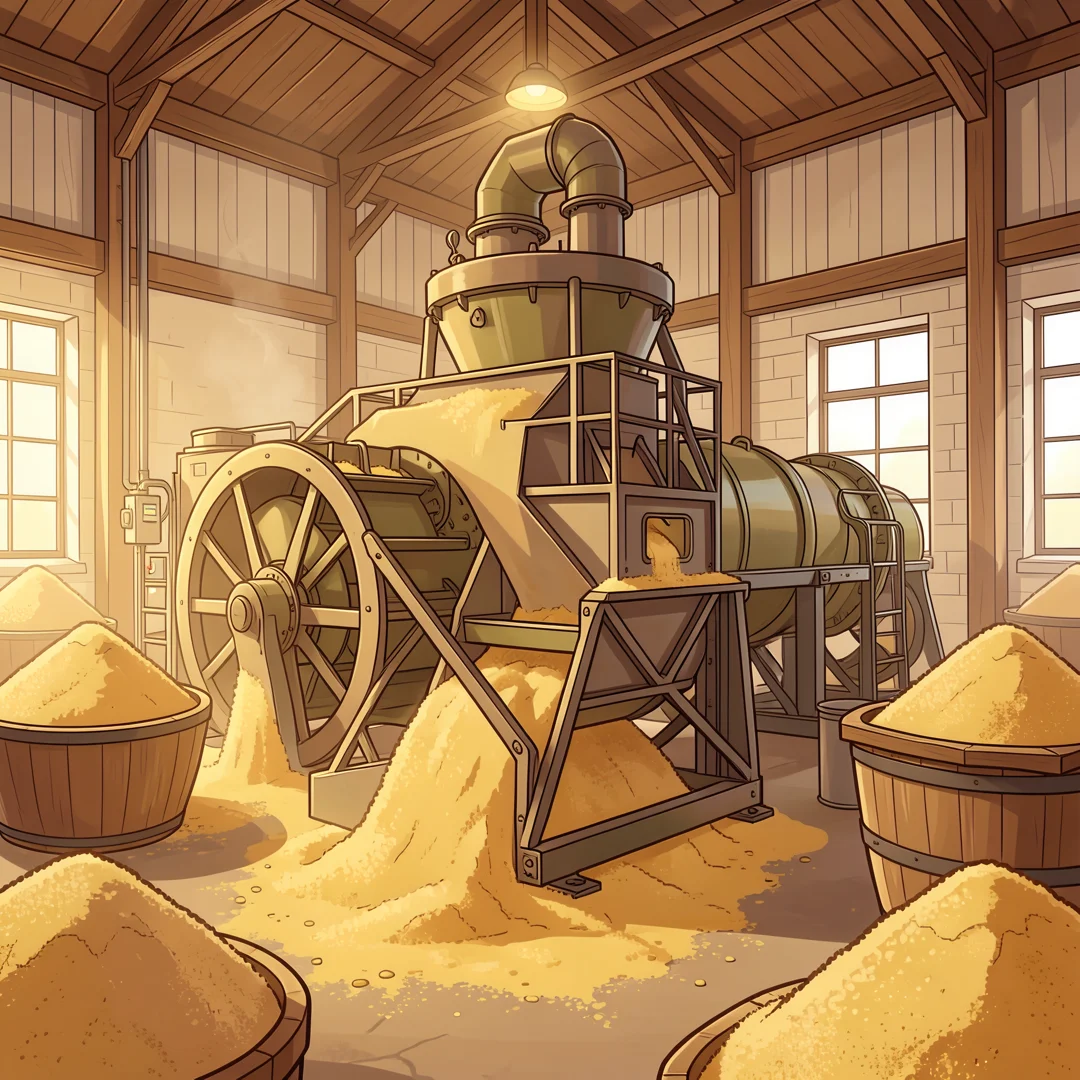
Upon arrival at the mill, the cane is washed to remove dirt, rocks, and other debris. It is then shredded and passed through a series of heavy rollers, known as a milling tandem. These rollers crush the cane and extract the juice, which is then mixed with water to dilute the remaining sugar in a process called maceration. The leftover fibrous material, called bagasse, is not waste; it is often burned to generate steam and electricity to power the mill itself, making the process remarkably energy-efficient.
The extracted juice, now called mixed juice, is acidic and cloudy. It contains not only sucrose but also water, fiber, and various organic impurities. To clarify the juice, the mill adds lime (calcium hydroxide) and heats the mixture. This causes the impurities to coagulate and float to the surface, where they are skimmed off. The resulting clear juice is then sent to evaporators.
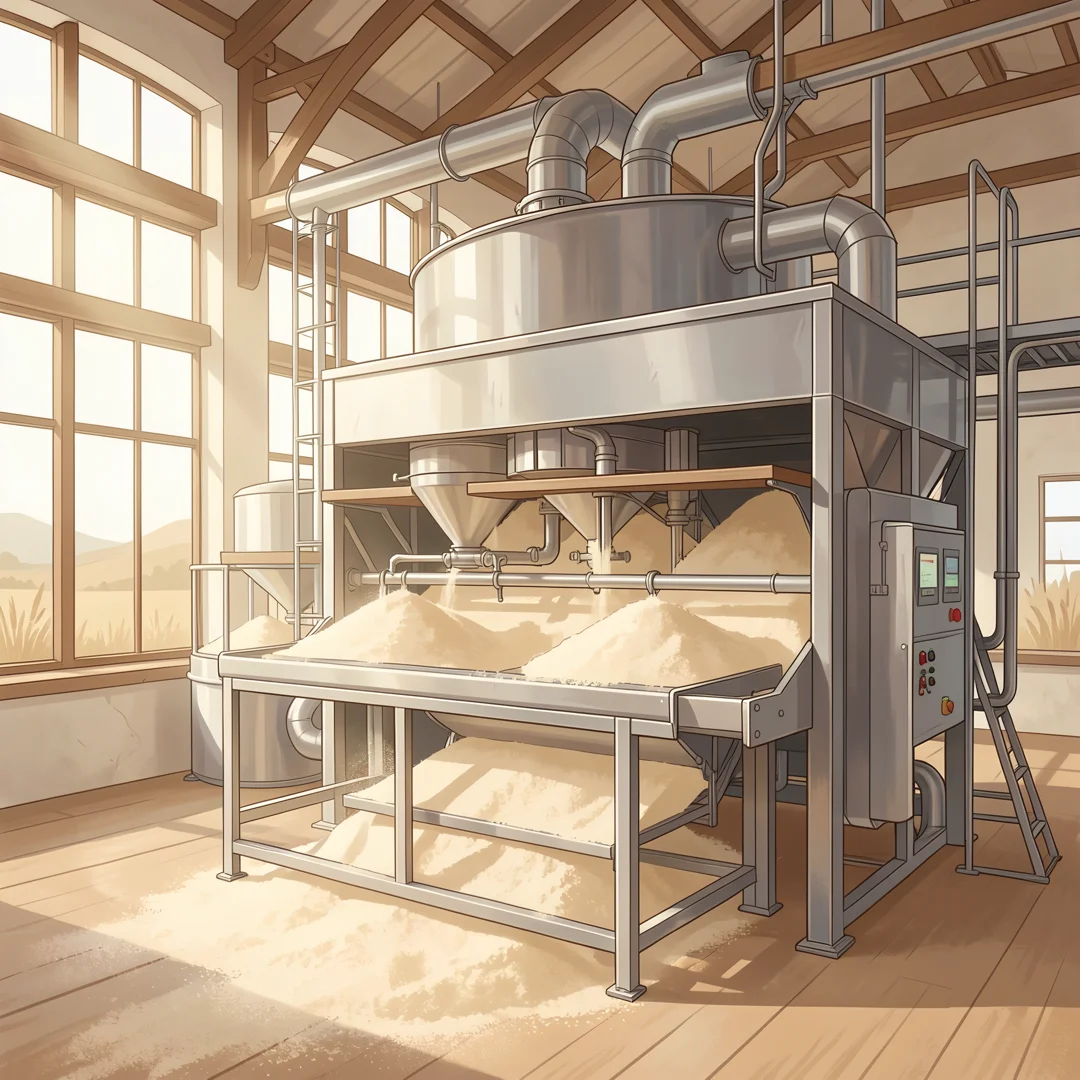
Evaporation is where the magic of concentration happens. The clear juice is boiled in a series of vacuum pans under reduced pressure, which allows the water to boil at a lower temperature, preserving the sugar from caramelization. The juice thickens into a syrup, which is then further boiled in vacuum pans until it becomes a supersaturated solution. At this point, seed crystals are added to initiate crystallization. As the solution cools, sugar molecules attach to the seed crystals, growing them into larger crystals.
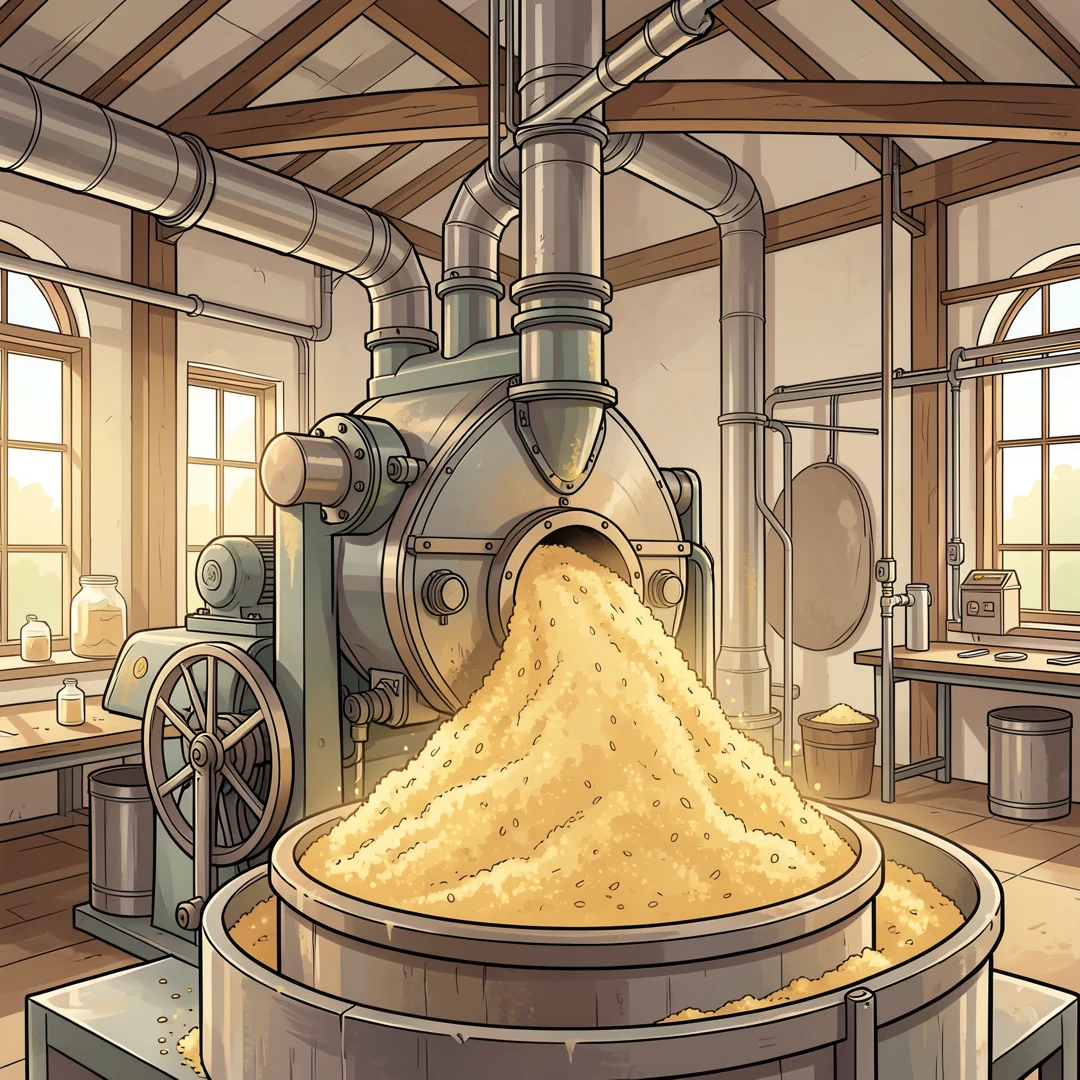
The mixture of crystals and syrup, called massecuite, is then spun in centrifuges. The centrifuge is a high-speed rotating drum that separates the crystals from the liquid molasses. The crystals are washed and dried. The result is raw sugar, which still has a slight brownish color due to a thin film of molasses. This raw sugar is either shipped to a refinery or, in some cases, further processed in the same facility to produce white sugar.
Step-by-Step Guide: How Sugar is Made in a Sugar Mill
To make the process actionable, here is a structured approach to understanding and evaluating the sugar production cycle. Whether you are writing a report, planning a factory visit, or simply satisfying your curiosity, these steps provide a reliable framework.
Step 1: Understand the fundamentals
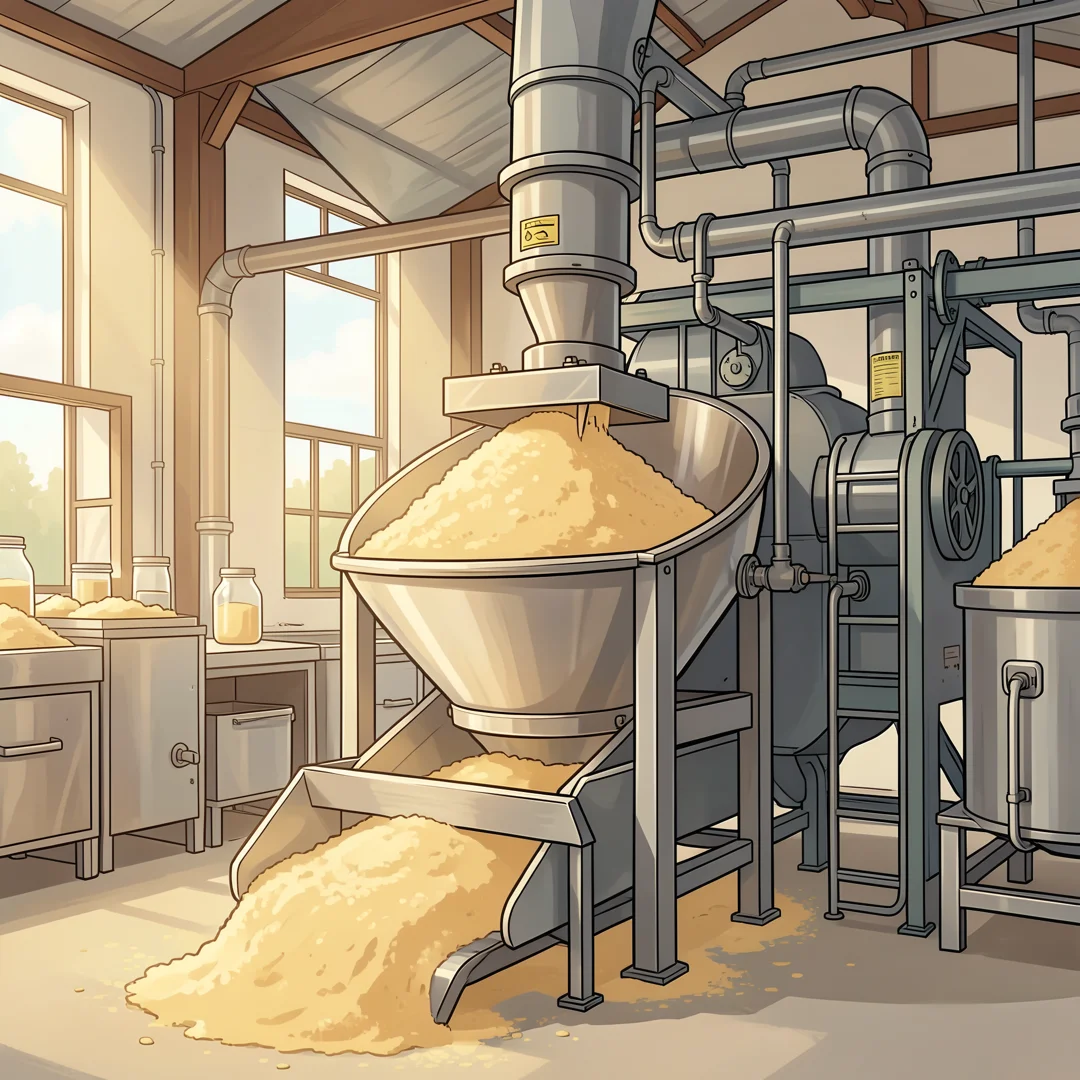
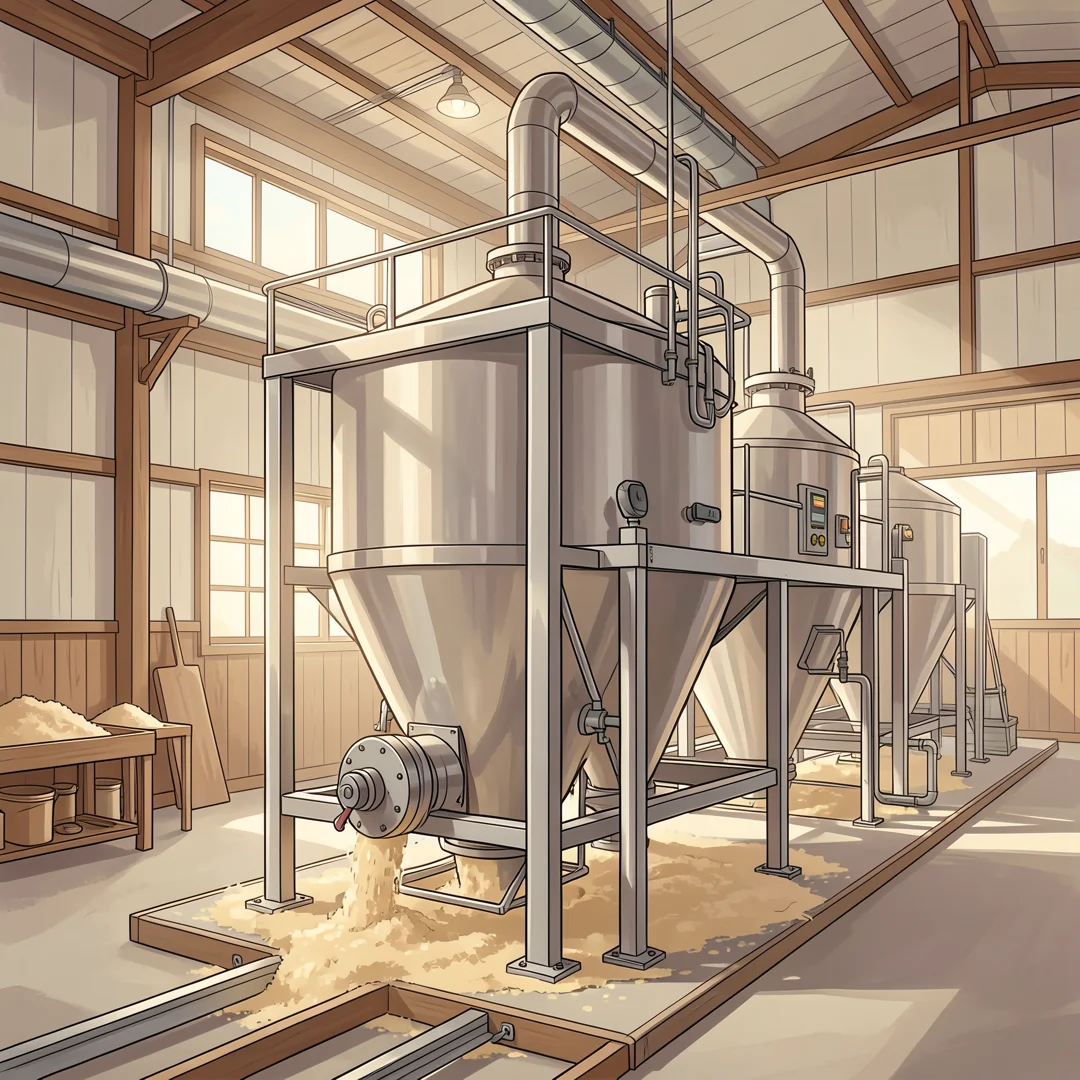
Begin by recognizing the two primary sources of sugar: sugarcane and sugar beet. Know that the goal is to extract sucrose, a natural disaccharide, from plant material. Familiarize yourself with the basic vocabulary: juice, bagasse, molasses, and crystallization. Without this foundational knowledge, the complex machinery and chemical additives can seem confusing. Remember that the process is essentially a purification and concentration exercise. You are removing everything that is not sucrose—water, fiber, proteins, and minerals.
Step 2: Assess your starting point
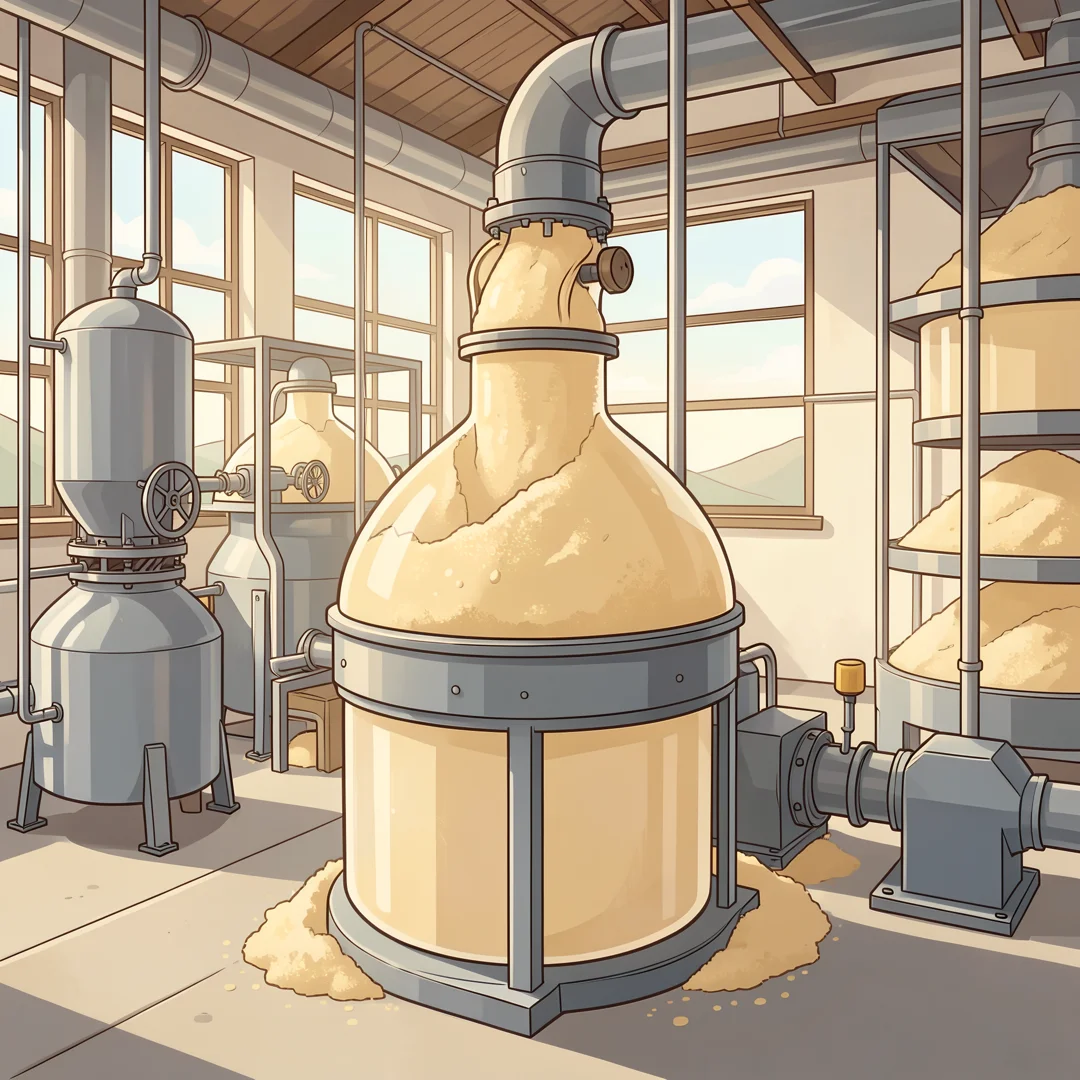
If you are analyzing a specific mill, determine whether it produces raw sugar or refined sugar. Check the source material: is it cane or beet? Cane mills are typically located in tropical regions, while beet mills are in temperate zones. Assess the scale of the operation. A small artisan mill might use simpler boiling techniques, while a large industrial complex uses vacuum pans and centrifuges. Understanding the starting point helps you predict the specific challenges, such as the need for rapid processing of cane to prevent sucrose loss.
Step 3: Set clear goals
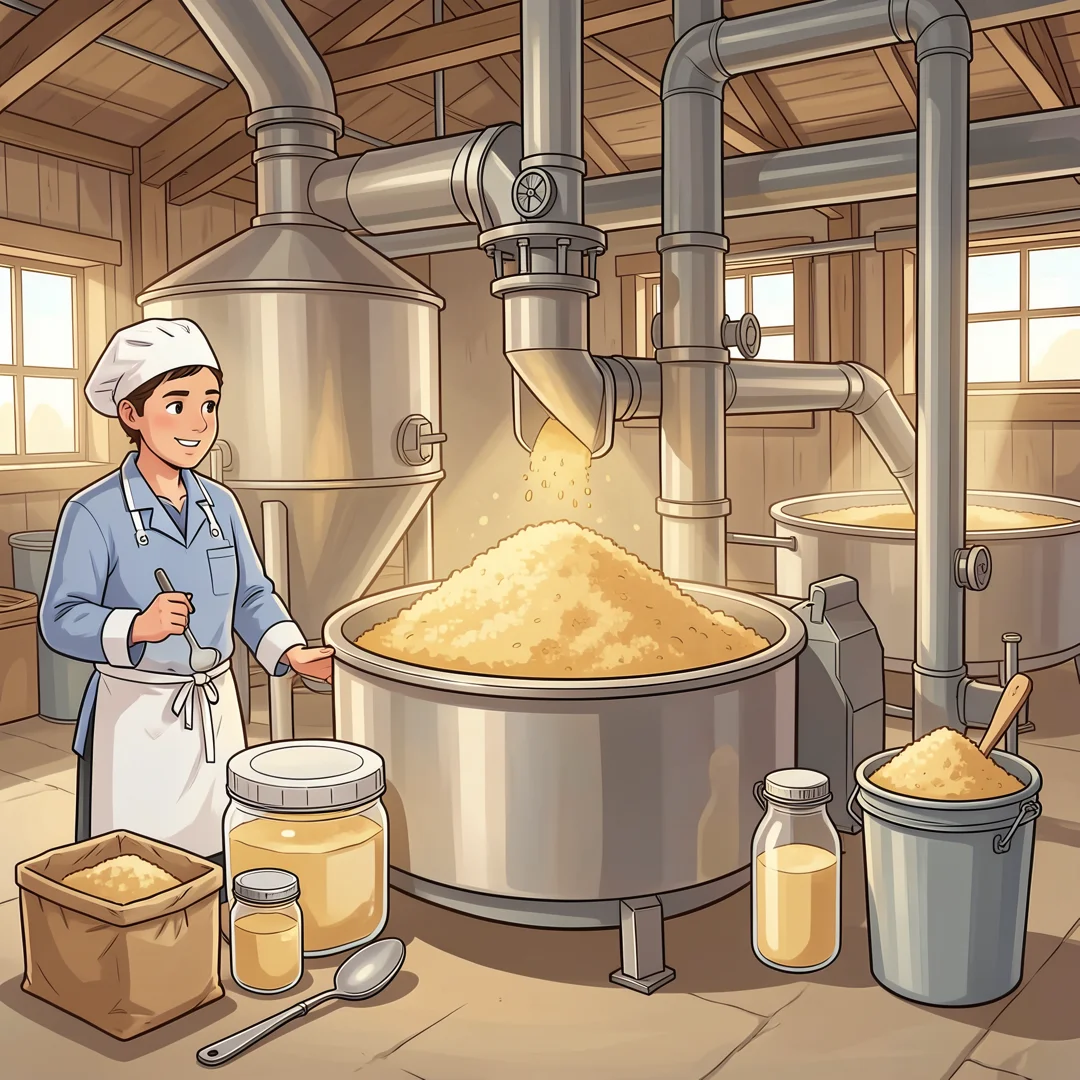
What do you hope to achieve with this knowledge? If your goal is general education, focus on the big picture: extraction, clarification, evaporation, and crystallization. If your goal is quality control, focus on the variables: pH, temperature, and Brix levels. If you are a farmer, your goal might be to understand how delivery times affect your payment. Clear goals help you filter the overwhelming amount of technical information available. For most readers, the goal is to understand the transformation from plant to crystal and to appreciate the engineering involved.
Step 4: Gather necessary resources
To fully grasp the process, gather resources that explain the equipment involved. Look for diagrams of a milling tandem, evaporator trains, and vacuum pans. If you are visiting a mill, gather safety gear and ask about their specific process. For research, reliable sources include agricultural extension services and food science textbooks. Avoid sensationalist articles that claim sugar is “bleached” with dangerous chemicals; in reality, the purification uses lime and carbon dioxide, which are common and safe. Having accurate resources ensures you understand the difference between raw and refined sugar.
Step 5: Apply the core methods
Now, trace the actual steps in sequence. First, cane is harvested and transported. Second, it is shredded and crushed to extract juice. Third, the juice is clarified with lime and heat. Fourth, the water is evaporated to create syrup. Fifth, the syrup is boiled to supersaturation, and seed crystals are added. Sixth, the massecuite is centrifuged to separate crystals from molasses. Seventh, the crystals are dried and packaged. Apply this sequence to any mill you study. If you are explaining this to someone else, use the analogy of making rock candy at home: you dissolve sugar in water, boil it, and let it crystallize. The mill does the same thing, but on a massive scale and with impurities removed.

Step 6: Monitor your progress
As you learn, check your understanding against reliable sources. Can you explain why bagasse is burned? Can you describe the role of the centrifuge? Consistent review of these steps leads to better long-term retention and understanding. If you are actually involved in production, monitoring progress means tracking yields. For every ton of cane, a mill expects to extract roughly 100 to 120 kilograms of sugar. If yields drop, the issue is often in the clarification or crystallization stage. Monitoring ensures that the process remains efficient and that the final product meets food safety standards.
Best Practices
While you may not be operating a sugar mill yourself, understanding best practices helps you evaluate the quality and sustainability of the sugar you consume. Here are key best practices used in modern, responsible mills:
- Rapid processing: Cane should be processed within 24 hours of harvest to minimize sucrose degradation. Mills that delay processing produce lower-quality sugar and more molasses.
- Energy efficiency: Burning bagasse to power the mill is a standard practice. The best mills export excess electricity to the grid, turning a waste product into a revenue stream.
- Water conservation: Modern mills recycle water used in the extraction and cooling processes. This reduces the environmental footprint significantly.
- Consistent clarification: Maintaining the correct pH and temperature during liming is critical. Inconsistent clarification leads to dark, low-quality sugar and expensive refining later.
- Proper crystallization control: The size and uniformity of sugar crystals are determined by the rate of cooling and the amount of seed crystal added. Best practice is to use automated systems to maintain precise control.
Molasses utilization: Rather than treating molasses as waste, best practices include selling it for animal feed, ethanol production, or.
You now have a solid foundation for how shugar make in shugar mill. Apply the best practices above and revisit this guide as your needs evolve.