

6 min read • 1,127 words
Petrol, what is it? This common fuel, also known as gasoline, is a refined product derived from crude oil Learn more about the steps and the final checks.
The octane rating of petrol is a key factor in its performance, indicating its ability to resist knocking during combustion. Historically, lead was added to petrol to enhance these ratings, but due to health concerns, this practice has been phased out. As we delve into the topic of petrol, what is its significance in our daily lives, and what are the environmental implications of its combustion, which produces carbon dioxide, water vapor, and other pollutants? Join us as we explore the multifaceted world of petrol and its impact on our society.
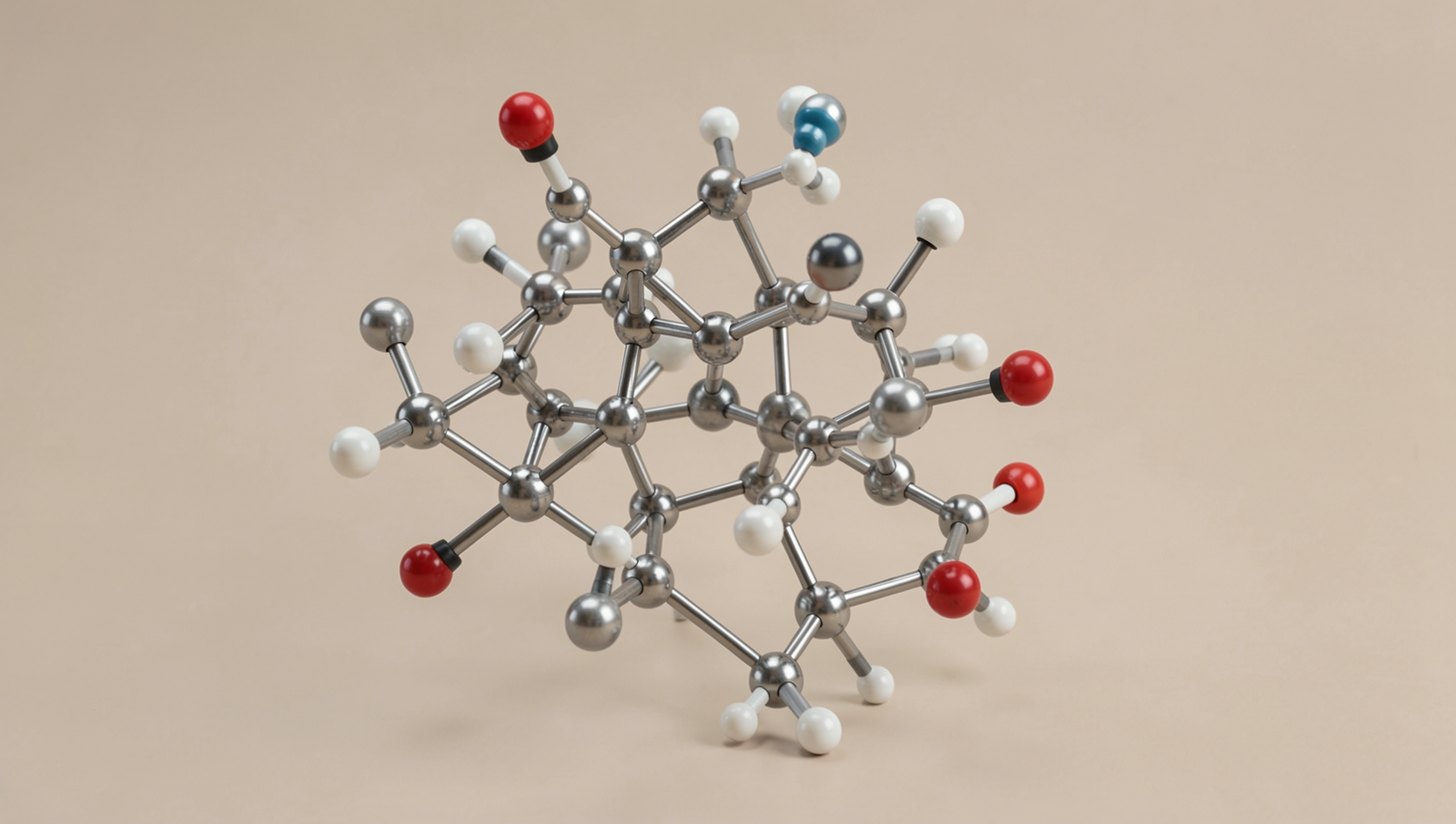
What is Petrol?
Petrol, also known as gasoline in some regions, is a volatile liquid hydrocarbon mixture primarily used as fuel in internal combustion engines. Its chemical composition mainly consists of hydrocarbons, typically ranging from C4 to C12, which are derived from crude oil through the refining process. The primary components include alkanes, cycloalkanes, and aromatic hydrocarbons.
The historical background of petrol dates back to the mid-19th century when it was first distilled from crude oil. The development of the internal combustion engine in the late 1800s significantly increased the demand for petrol, leading to advancements in refining techniques and the establishment of a global petroleum industry.
There are various types of petrol available, including:
- Regular unleaded petrol
- Premium unleaded petrol
- Diesel (though not petrol, it’s often discussed in the same context)
Each type has different octane ratings and is suited for specific engine requirements. For example, premium petrol has a higher octane rating, making it ideal for high-performance vehicles.
Petrol plays a crucial role in modern transportation and industry. It powers millions of vehicles worldwide, from cars to motorcycles, and is essential for various industrial applications. The convenience and efficiency of petrol as a fuel source have made it a cornerstone of the global economy.
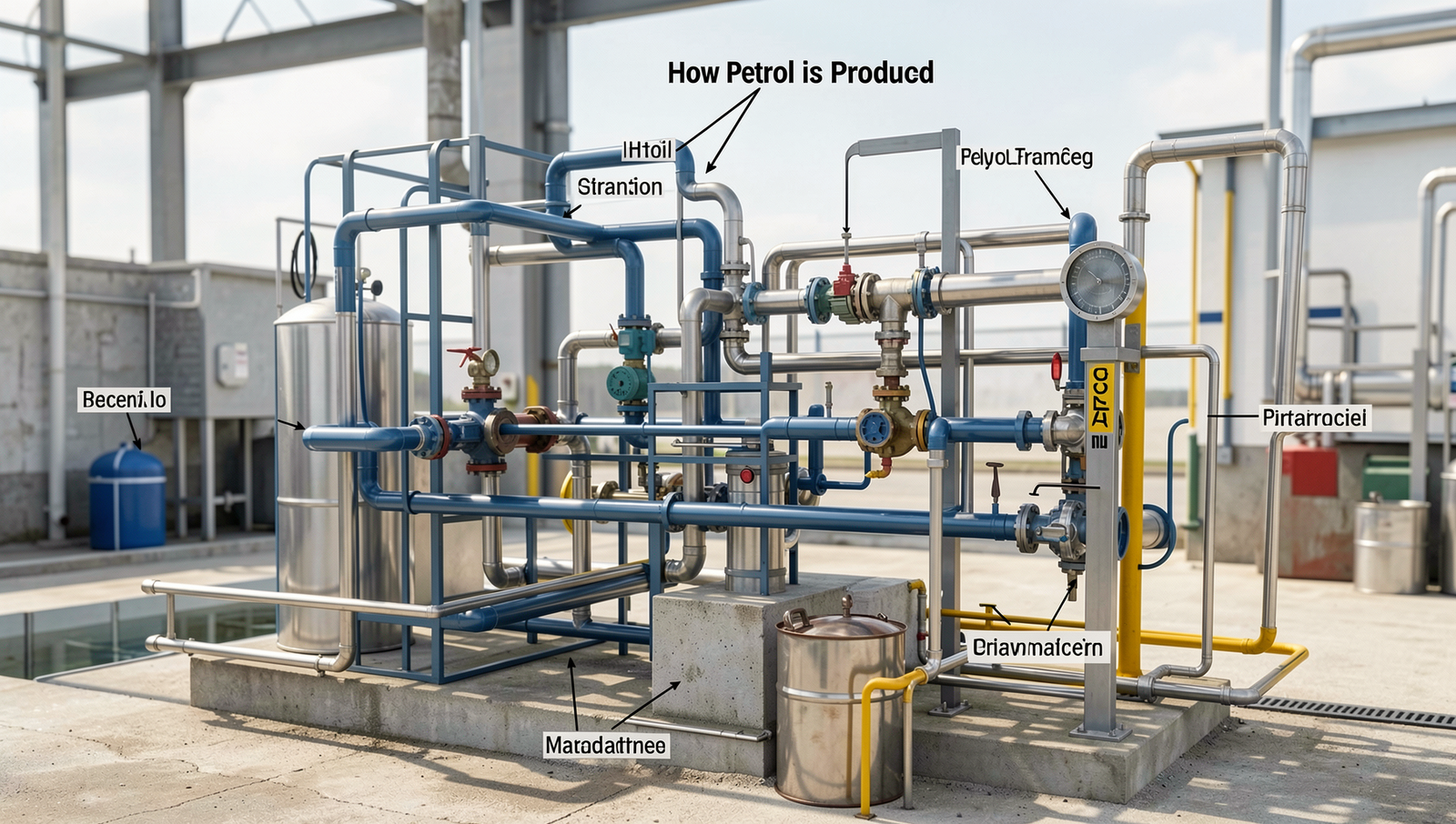
How Petrol is Produced
Petrol, what is it? To understand petrol, one must first explore how it is produced from crude oil. The journey begins with the extraction of crude oil, which is typically found deep beneath the Earth’s surface. This process involves drilling wells into oil reserves, followed by pumping the crude oil to the surface. Once extracted, the crude oil undergoes a refining process to convert it into petrol.
The refining process consists of several key steps:
- Distillation: Crude oil is heated in a distillation column, where it separates into different components based on boiling points.
- Cracking: Larger hydrocarbon molecules are broken down into smaller, more useful ones, including petrol.
- Reforming: The structure of hydrocarbons is altered to improve the quality of petrol.
- Treating: Impurities are removed to ensure the petrol meets safety and environmental standards.
However, the production of petrol has significant environmental impacts. The extraction and refining processes can lead to oil spills, habitat destruction, and air pollution. Furthermore, the combustion of petrol contributes to greenhouse gas emissions, exacerbating climate change.
Globally, petrol is distributed and traded extensively. Major oil-producing countries, such as Saudi Arabia and the United States, play a crucial role in the global petrol market. The trade of petrol is influenced by geopolitical factors, supply and demand dynamics, and fluctuating prices.
Uses and Alternatives to Petrol
Petrol, commonly known as gasoline, is primarily used as a fuel for vehicles, including cars, motorcycles, and trucks. It powers internal combustion engines, making it essential for transportation. Additionally, petrol is utilized in various machinery, such as lawn mowers, chainsaws, and generators, highlighting its versatility in both personal and commercial applications.
The economic impact of petrol consumption is significant. It influences global markets, affects inflation rates, and plays a crucial role in the energy sector. Countries that rely heavily on petrol exports often experience fluctuations in their economies based on oil prices, which can lead to economic instability.
As the world shifts towards sustainability, emerging alternatives to petrol are gaining traction. These include:
- Electric Vehicles (EVs): Powered by batteries, EVs produce zero emissions and are becoming increasingly popular.
- Biofuels: Derived from organic materials, biofuels offer a renewable option that can reduce reliance on fossil fuels.
- Hydrogen Fuel Cells: These convert hydrogen into electricity, providing a clean energy source for vehicles.
Looking ahead, the fuel industry is expected to undergo significant changes. Trends indicate a growing emphasis on sustainability, with investments in renewable energy sources and advancements in technology to improve fuel efficiency. Governments and organizations are also implementing policies to reduce carbon emissions, further driving the transition away from petrol.
Conclusion
In summary, understanding what petrol is essential for anyone interested in the automotive industry or energy resources. Petrol, also known as gasoline, is a refined product derived from crude oil, primarily used as fuel in internal combustion engines. Its properties and composition make it a vital energy source for vehicles, impacting both transportation and the economy.
As we move towards more sustainable energy solutions, the role of petrol will continue to evolve. Awareness of what petrol is and its implications on the environment and society is crucial for making informed choices about energy consumption and exploring alternative fuels. The future may see a shift away from traditional petrol usage, but its significance in today’s world remains undeniable.
Frequently Asked Questions
What is petrol?
Petrol, also known as gasoline, is a transparent, petroleum-derived liquid that is used primarily as fuel in internal combustion engines. It is composed of a mixture of hydrocarbons and is produced from crude oil through a refining process.
How is petrol made?
Petrol is made through the refining of crude oil. The process involves distillation, where crude oil is heated and separated into different components based on their boiling points. The lighter fractions are collected and further processed to produce petrol, which may also undergo additional treatments to improve its quality and performance.
What are the uses of petrol?
Petrol is primarily used as fuel for vehicles, including cars, motorcycles, and small engines. Additionally, it is used in some types of machinery and equipment, as well as in the production of chemicals, plastics, and other petroleum products.
Is petrol renewable?
No, petrol is not renewable. It is a fossil fuel derived from ancient organic matter that has been subjected to heat and pressure over millions of years. Once consumed, it cannot be replenished within a human timescale, making it a non-renewable resource.