
7 min read • 1,569 words
Virtual Reality vs Augmented Reality Key — Virtual Reality (VR) and Augmented Reality (AR) often get tossed Learn more about the steps and the final checks.
On the flip side, AR enhances your reality rather than replacing it. Picture this: you’re walking through your living room, and your favorite furniture store’s app overlays a virtual couch right where you want it. You can see how it fits without lifting a finger. This blend of digital and physical worlds opens up a realm of possibilities for everything from gaming to education. Understanding these differences can help you appreciate how each technology is shaping our interactions with the world around us.
Virtual Reality vs Augmented Reality: Key Differences Explained Overview
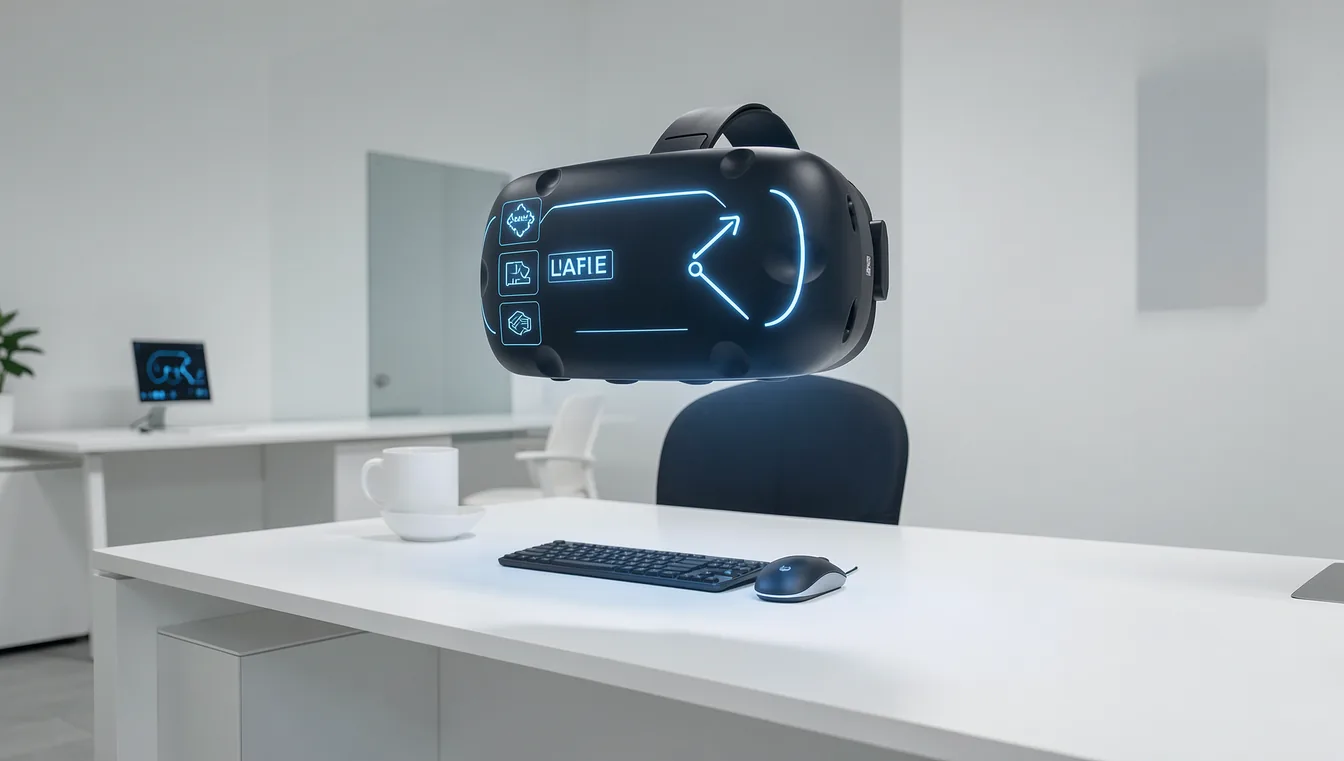
Virtual Reality (VR) and Augmented Reality (AR) often get lumped together, but they serve different purposes and offer distinct experiences. Understanding these differences can help businesses and consumers make informed decisions about which technology to adopt. Here’s a breakdown of the key contrasts:
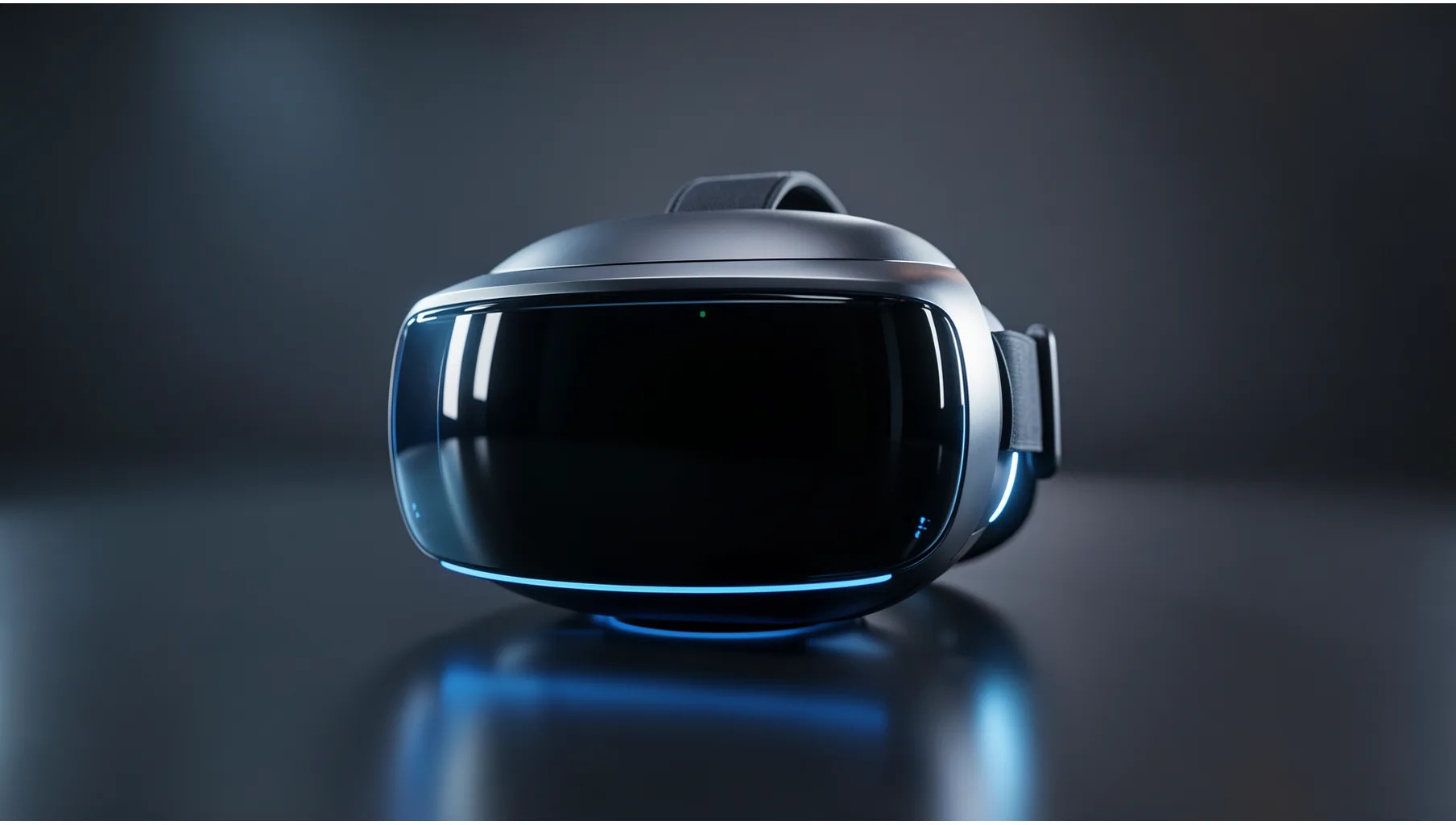
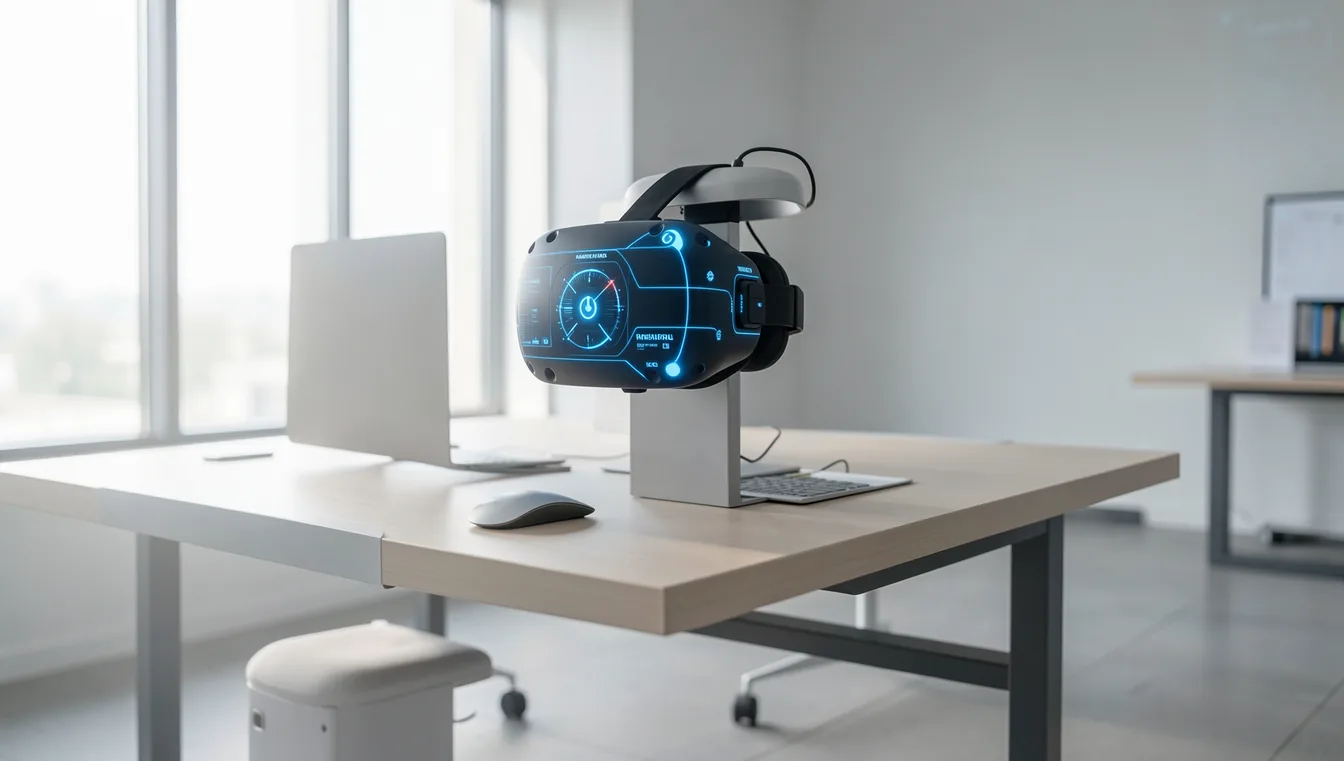
- Immersion Level: VR immerses users in a completely digital environment, blocking out the real world. Users wear headsets that transport them to alternate realities. In contrast, AR overlays digital elements onto the real world, enhancing the user’s perception without removing them from their surroundings.
- Hardware Requirements: VR typically requires more sophisticated hardware, including headsets like the Oculus Rift or HTC Vive, along with motion controllers. AR can function on smartphones or tablets, making it more accessible. Devices like Microsoft’s HoloLens offer advanced AR experiences but are still less common than VR headsets.
- Applications: VR shines in gaming, training simulations, and virtual tours. It’s about creating experiences that feel real. AR, on the other hand, finds its niche in fields like retail, education, and maintenance, where it enhances real-world tasks with digital information. Think of IKEA’s app that lets you visualize furniture in your home.
- User Interaction: In VR, users often interact with a fully simulated environment. This can lead to a more intense experience but may also cause motion sickness for some. AR allows for interaction with both digital and physical elements, often making it easier for users to engage without disorientation.
- Social Experience: VR can create a sense of presence with other users in a shared virtual space, fostering social interactions in a way that feels immersive. AR, however, often focuses on individual experiences, although it can facilitate shared interactions through connected devices.
Both technologies have unique strengths and weaknesses, and their applications will continue to evolve as the tech matures. Understanding these differences is essential for anyone looking to leverage either technology effectively.
Practical Applications of Virtual Reality and Augmented Reality
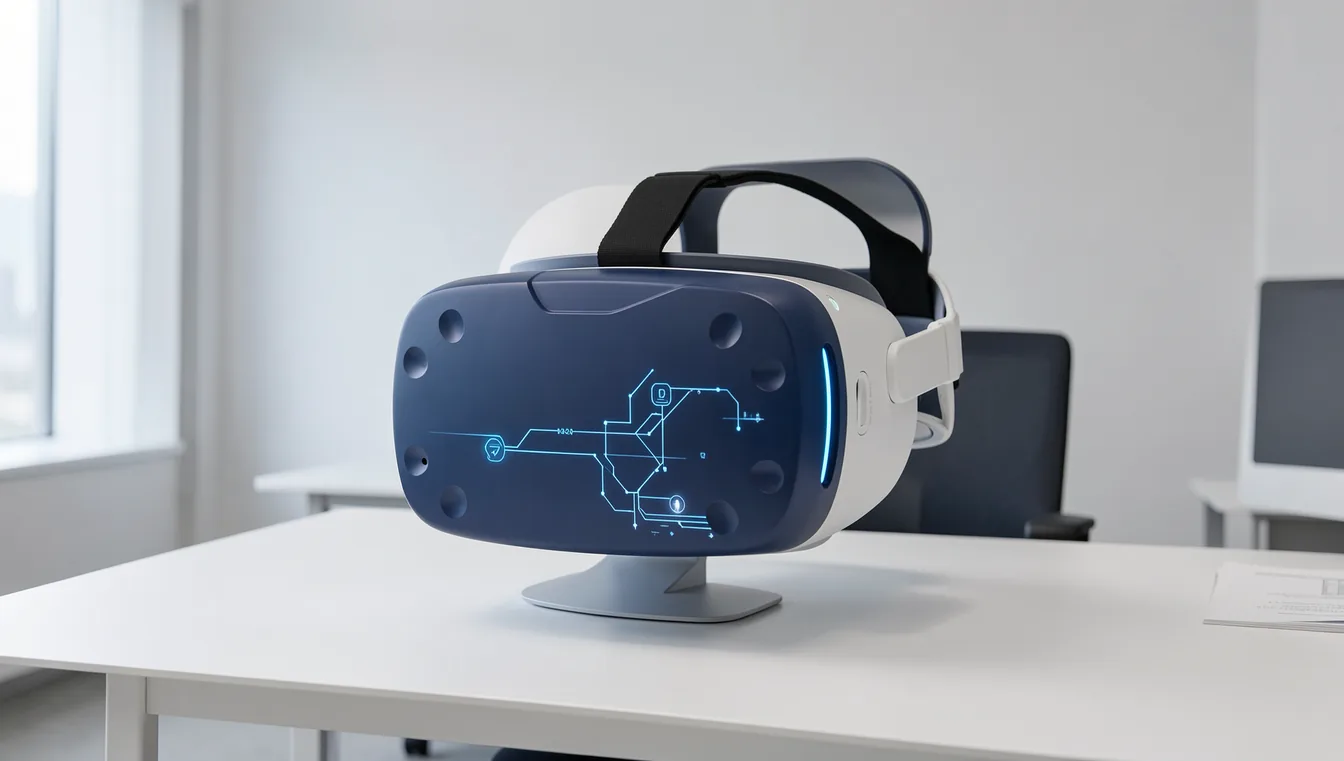
Virtual Reality (VR) and Augmented Reality (AR) are not just buzzwords; they represent two distinct approaches to enhancing our interaction with the digital world. Each has unique practical applications that are reshaping industries, from healthcare to entertainment.
In the realm of education, VR immerses students in environments that would be impossible to recreate in a classroom. Imagine medical students performing virtual surgeries or history students walking through ancient civilizations. This level of engagement can lead to deeper understanding and retention of information.
- Healthcare: VR is used for surgical training and therapy. Patients can confront phobias in a controlled setting, while surgeons practice complex procedures in a risk-free environment.
- Real Estate: VR allows potential buyers to take virtual tours of properties. This saves time and provides a more immersive experience than traditional photos or videos.
- Gaming: VR has revolutionized gaming by placing players directly into the action. Titles like Beat Saber and Half-Life: Alyx offer experiences that are not just played but lived.
AR, on the other hand, overlays digital information onto the real world. This can enhance everyday tasks and improve productivity. For instance, AR applications can guide technicians through complex repairs by displaying step-by-step instructions directly onto the equipment.
- Retail: AR apps let customers visualize how furniture would look in their home before making a purchase. This reduces returns and increases customer satisfaction.
- Navigation: AR can provide real-time directions by overlaying arrows and information on the user’s view of the street, making it easier to find destinations.
- Maintenance and Repair: Technicians can use AR glasses to see schematics and instructions while keeping their hands free to work on machinery.
Both technologies are evolving rapidly, and their applications are becoming more sophisticated. As they continue to develop, the lines between virtual and augmented realities will blur, creating even more innovative solutions across various sectors.
Best Practices for Implementing VR and AR Technologies
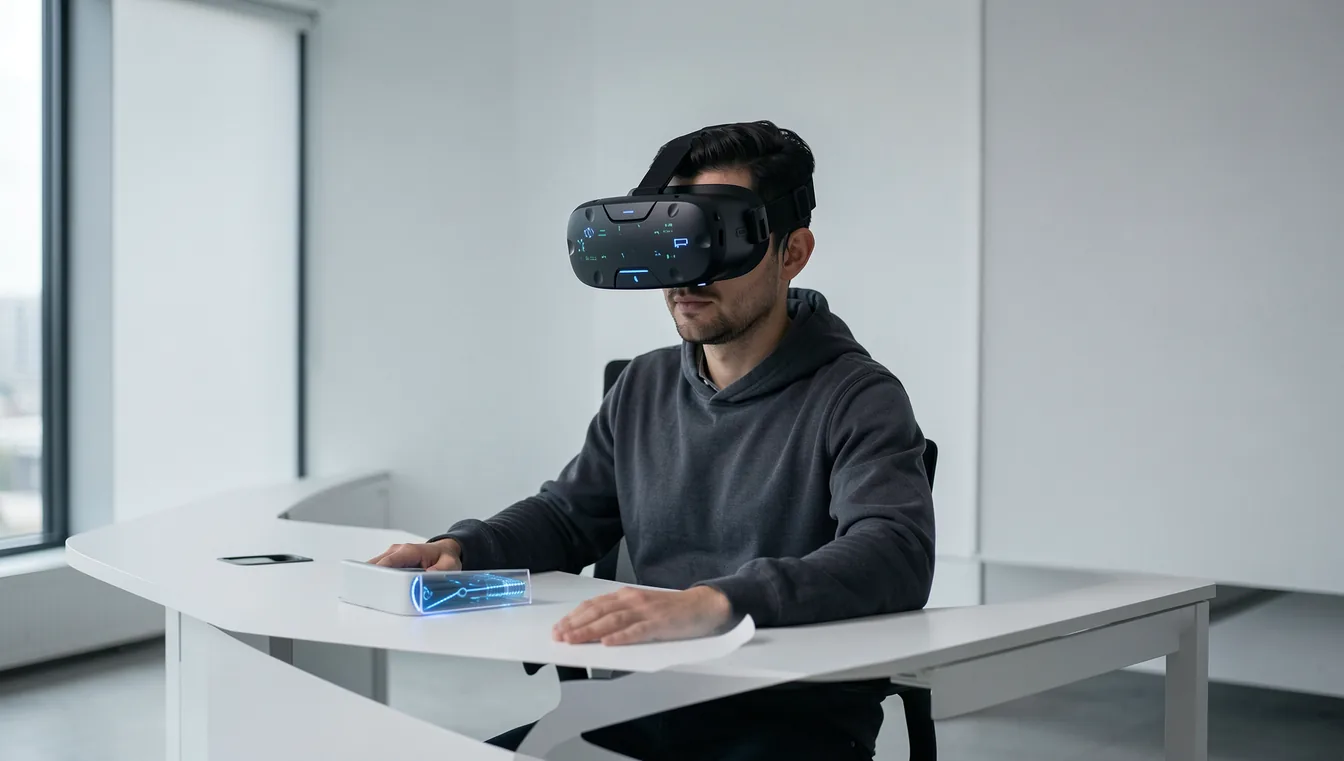
Implementing Virtual Reality (VR) and Augmented Reality (AR) technologies requires a strategic approach to ensure effectiveness and user engagement. Each technology has its unique characteristics and applications, so best practices will differ slightly between them. Here are some essential guidelines to consider:
- Understand Your Audience: Knowing who will use your VR or AR application is critical. Conduct user research to identify their needs, preferences, and technical capabilities. This will inform design decisions and enhance user experience.
- Define Clear Objectives: Establish what you want to achieve with the technology. Whether it’s training, entertainment, or marketing, having clear goals will guide the development process and help measure success.
- Focus on User Experience: The user interface should be intuitive. For VR, ensure that navigation is seamless and that users can easily interact with the virtual environment. For AR, the overlay on the real world should be unobtrusive yet informative.
- Optimize Performance: VR and AR applications can be resource-intensive. Optimize graphics and processing to prevent lag, which can lead to motion sickness in VR or frustration in AR. Test on multiple devices to ensure compatibility.
- Incorporate Feedback Loops: Design your application to gather user feedback continuously. This can be through surveys, analytics, or direct user testing. Use this data to iterate and improve the experience.
- Ensure Accessibility: Consider users with disabilities. Implement features like voice commands, subtitles, or adjustable settings to make your application more inclusive.
- Stay Updated with Technology Trends: The fields of VR and AR are rapidly evolving. Keep an eye on emerging technologies, tools, and best practices to stay competitive and innovative.
By adhering to these best practices, developers can create impactful VR and AR experiences that resonate with users and fulfill their intended purpose.
Conclusion
Understanding the distinctions between Virtual Reality (VR) and Augmented Reality (AR) is essential for anyone navigating today’s tech-driven world. Both technologies offer unique experiences, yet they cater to different needs and applications.
Virtual Reality immerses users in a completely digital environment. It’s an escape from reality, where users can interact with a 3D world through headsets and controllers. This technology finds its niche in gaming, training simulations, and therapeutic applications. Users can experience scenarios that would be impossible or dangerous in real life, such as flying a plane or exploring distant planets.
On the other hand, Augmented Reality overlays digital information onto the real world. It enhances our perception of reality rather than replacing it. Think of AR as a bridge between the digital and physical realms. Applications like Pokémon GO and various industrial training tools showcase how AR can provide real-time data and interactive experiences without isolating users from their surroundings.
Here are some key differences that highlight their unique characteristics:
- Immersion: VR offers complete immersion, while AR enhances the real world.
- Hardware: VR typically requires headsets and controllers; AR can often be accessed via smartphones or smart glasses.
- Applications: VR is popular in gaming and simulations; AR is widely used in retail, education, and maintenance.
- User Interaction: VR users interact solely within a virtual space; AR users interact with both digital and physical elements.
As technology evolves, the lines between VR and AR may blur. Yet, their core functionalities remain distinct. Understanding these differences can empower users and developers alike to choose the right technology for their needs. Whether you seek an escape into a virtual world or an enhancement of your real-world experiences, both VR and AR have something valuable to offer.
Frequently Asked Questions
What is the main difference between Virtual Reality and Augmented Reality?
Virtual Reality (VR) immerses users in a completely digital environment, blocking out the real world. In contrast, Augmented Reality (AR) overlays digital elements onto the real world, enhancing the user’s perception without removing them from their surroundings.
How do VR and AR technologies work?
VR typically requires a headset that provides a 360-degree view of a virtual environment, often with motion tracking. AR uses devices like smartphones or smart glasses to project digital images or information onto the real world, utilizing cameras and sensors to blend the two environments.
What are some common applications of VR and AR?
VR is widely used in gaming, training simulations, and virtual tours, offering immersive experiences. AR finds its place in applications like navigation, retail, and education, where it enhances real-world interactions with additional information or visuals.
Which technology is more accessible for everyday users?
AR is generally more accessible since it can be used on smartphones and tablets without specialized equipment. VR often requires dedicated headsets and sometimes additional hardware, making it less accessible for casual users.