
5 min read • 1,093 words
Why Your Smart TV Might Be — In today’s digital age, smart TVs have become a staple in many households Learn more about the steps and the final checks.
While the convenience of a smart TV is undeniable, the implications of its data collection practices raise important questions about privacy and security. Many smart TVs require constant internet connectivity, which can expose them to various data collection practices that users may not fully understand. Compounding this issue is the fact that privacy settings can be challenging to navigate, leading to unintentional data sharing with manufacturers and third parties. Understanding the extent of smart TV data collection is crucial for users who want to protect their personal information while enjoying their favorite shows and movies.
Understanding Smart TV Data Collection
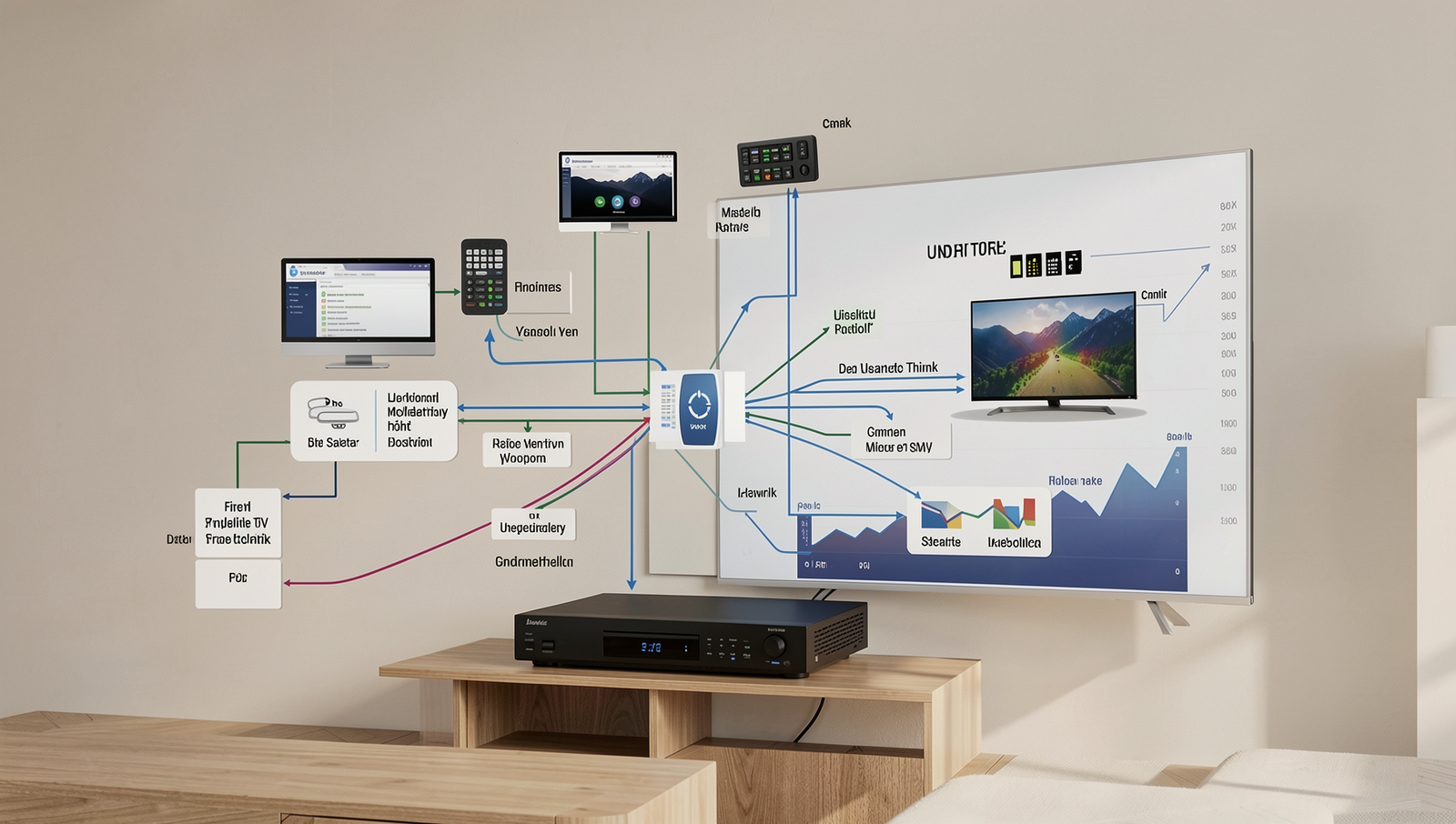
Smart TVs are equipped with various sensors and software that track user behavior, making them capable of collecting a wide range of data. This data collection is often more extensive than users realize, leading to concerns about privacy and data security.
The types of data collected by smart TVs can include:
- Viewing habits: What shows and movies you watch, and how long you watch them.
- Search queries: Terms you enter when looking for content.
- Voice commands: What you say to voice-activated features.
For example, if you frequently search for cooking shows, your smart TV may suggest similar content based on your preferences. However, this data is not just used for personalization; manufacturers often share this data with third parties, including advertisers and data brokers. This practice raises questions about how much control users have over their own information.
Understanding smart TV data collection is crucial for users who want to maintain their privacy while enjoying the benefits of modern technology.
Privacy Concerns and Implications
The extent of smart TV data collection raises significant privacy concerns for users. Many consumers are unaware of the sheer volume of data their devices gather. Smart TVs can track viewing habits, search queries, and even voice commands, leading to a comprehensive profile of user behavior.
Moreover, sensitive information may be at risk if data is not properly secured. For instance, if a smart TV is hacked, personal details such as login credentials or payment information could be exposed. This vulnerability highlights the need for robust security measures.
Users often lack awareness of how their data is used and shared. Many smart TV manufacturers include lengthy privacy policies that are rarely read. Here are some common data practices:
- Tracking viewing history to recommend content.
- Sharing data with third-party advertisers.
- Collecting voice data for voice-activated features.
Legislation is beginning to catch up with technology, but users must remain vigilant about their privacy. Understanding the implications of smart TV data collection is crucial in protecting personal information.
Protecting Your Data on Smart TVs
As smart TVs become more integrated into our daily lives, it is crucial to understand how to protect your data from excessive collection. Many users are unaware of the extent of smart TV data collection, but there are steps you can take to safeguard your privacy.
First, review and adjust the privacy settings on your smart TV. Most manufacturers provide options to limit data collection. Here are some settings you should consider:
- Disable voice recognition features if not in use.
- Turn off personalized ads and recommendations.
- Limit data sharing with third-party apps.
Another effective way to enhance your privacy while streaming is to use a VPN or firewall. A VPN encrypts your internet connection, making it more difficult for your data to be intercepted. You can set up a VPN on your router or directly on your smart TV if supported. For example:
Install a VPN app on your smart TV or configure it on your router.Finally, regularly updating your TV’s software is essential to protect against vulnerabilities. Manufacturers often release updates that fix security flaws. To check for updates:
Go to Settings > About > Software Update on your smart TV.By taking these steps, you can significantly reduce the risks associated with smart TV data collection and enjoy a safer streaming experience.
Conclusion
In today’s digital age, understanding the extent of smart TV data collection is crucial for maintaining your privacy. Many consumers are unaware that their smart TVs are constantly gathering information about their viewing habits, preferences, and even personal data. This data collection can lead to targeted advertising and potential privacy breaches, making it essential for users to be informed about the implications of their devices.
To mitigate the risks associated with smart TV data collection, users should take proactive steps such as reviewing privacy settings, disabling unnecessary features, and staying informed about the policies of manufacturers. By being vigilant and educated, consumers can enjoy the benefits of their smart TVs while minimizing the potential downsides of data collection.
Frequently Asked Questions
Why do smart TVs collect data?
Smart TVs collect data to enhance user experience, provide personalized content recommendations, and improve advertising effectiveness. By analyzing viewing habits and preferences, manufacturers can tailor services and features to better meet the needs of their users.
What type of data do smart TVs collect?
Smart TVs can collect a variety of data, including viewing history, search queries, app usage, location information, and even voice commands. This data helps companies understand user behavior and preferences, which can be used for targeted advertising and content suggestions.
Can I stop my smart TV from collecting data?
Yes, you can limit the data collection on your smart TV. Most devices have privacy settings that allow you to disable data collection features. You can also review and adjust the permissions for apps and services that access your data. However, completely stopping data collection may not be possible, as some data is necessary for the TV to function properly.
Are there privacy concerns associated with smart TVs?
Yes, there are privacy concerns related to smart TVs, as they can potentially collect sensitive information about your viewing habits and personal preferences. Users should be aware of the privacy policies of their devices and take steps to protect their data, such as regularly reviewing settings and being cautious about the information shared with third-party apps.