
7 min read • 1,451 words
Virtual Reality (VR) and Augmented Reality (AR) are two buzzwords that have taken the tech world by storm. They sound similar, but they offer vastly different experiences. Imagine slipping on a headset and being transported to a fantastical world where you can interact with everything around you—that’s VR. Now, picture looking through your smartphone and seeing digital elements overlaid on your real-world surroundings; that’s AR. Both technologies are changing how we engage with digital content, but they do so in unique ways.
As industries from gaming to education embrace these immersive technologies, understanding their key differences becomes essential. Are you curious about how VR creates entirely new environments while AR enhances what’s already there? Or perhaps you want to know which one is better suited for specific applications? Let’s break down the distinctions between these two innovative realms and explore how they’re shaping our future.
Virtual Reality vs Augmented Reality: Key Differences Explained Overview
Virtual Reality (VR) and Augmented Reality (AR) often get lumped together, but they serve distinct purposes and create different experiences. Understanding these differences can help businesses and consumers make informed decisions about which technology to adopt.
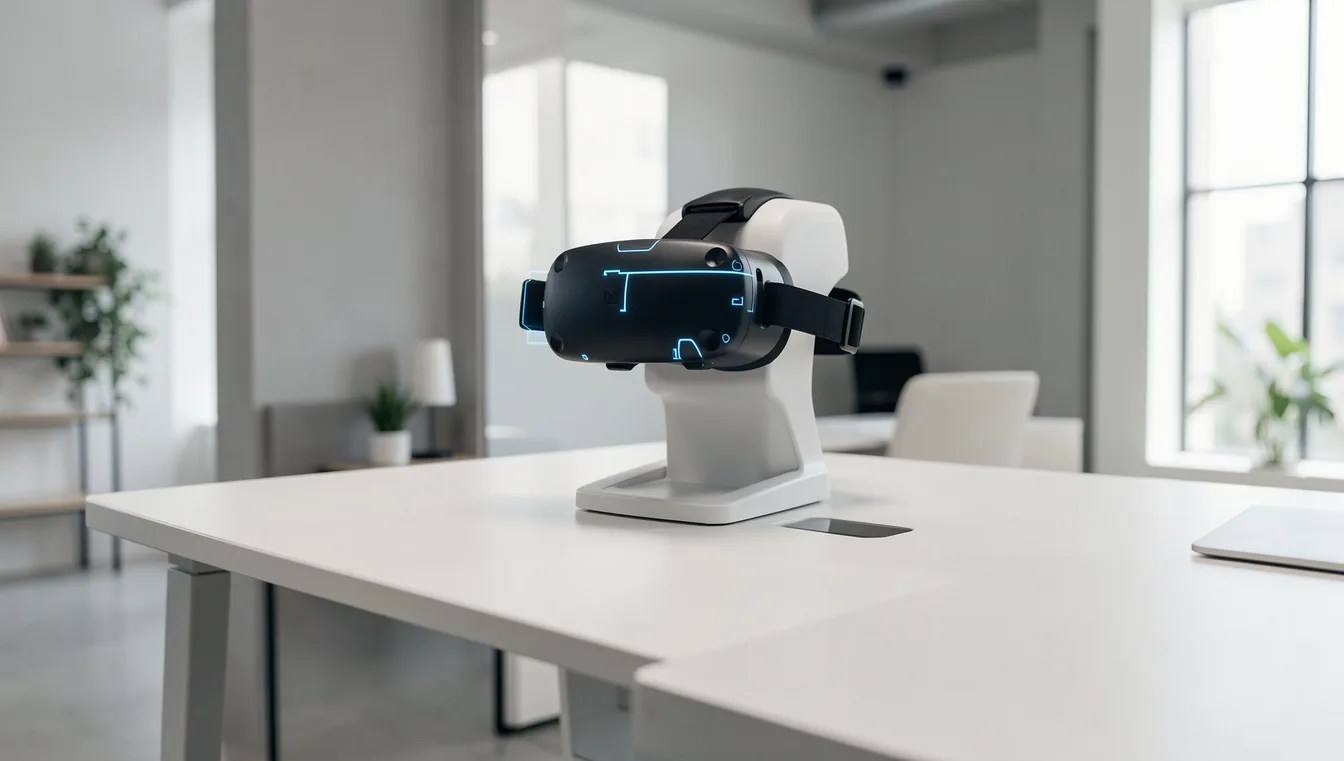
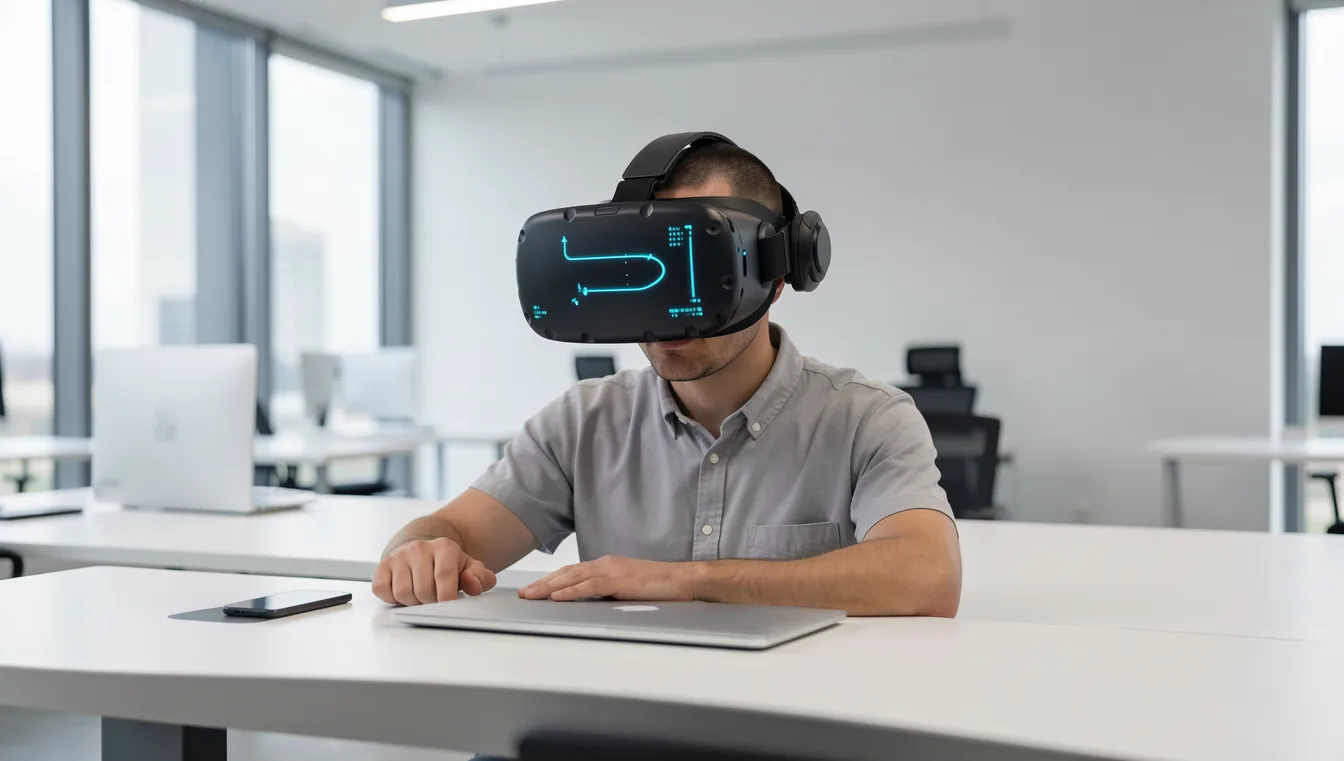
Virtual Reality immerses users in a completely digital environment. It requires a headset that blocks out the real world, allowing users to interact with a 3D space. This technology is often used in gaming, training simulations, and virtual tours. Users can explore entirely new worlds, engage in interactive scenarios, and experience situations that would be impossible in real life.
On the other hand, Augmented Reality overlays digital information onto the real world. It enhances the user’s perception of their environment rather than replacing it. AR is commonly found in mobile applications, like Pokémon GO, where digital creatures appear in real-world settings. This technology can be used for navigation, education, and even retail experiences, allowing customers to visualize products in their own space.
Here are some key differences:
- Immersion: VR offers full immersion, while AR enhances the real world.
- Hardware: VR typically requires specialized headsets; AR can often be accessed via smartphones or tablets.
- Applications: VR is popular in gaming and training; AR is widely used in marketing, education, and navigation.
- User Interaction: In VR, users interact with a virtual environment; in AR, they interact with both digital and physical elements.
Both technologies have unique strengths and applications. As they continue to evolve, their potential to transform industries and everyday life becomes increasingly apparent. Understanding their differences is the first step in leveraging their capabilities effectively.
Practical Applications of Virtual Reality and Augmented Reality
Virtual Reality (VR) and Augmented Reality (AR) are two transformative technologies, each with distinct applications that cater to various industries. Understanding their practical uses can illuminate how they are reshaping our interaction with digital content and the physical world.
Virtual Reality immerses users in a completely digital environment. This technology is particularly effective in:
- Training and Simulation: Industries like aviation and medicine utilize VR for realistic training scenarios. Pilots can practice flying in simulated cockpits, while surgeons can rehearse complex procedures in a risk-free setting.
- Entertainment: The gaming industry has embraced VR, offering players an unparalleled level of immersion. Titles like “Beat Saber” and “Half-Life: Alyx” transport users into vibrant, interactive worlds.
- Therapy: VR is making strides in mental health treatment. Exposure therapy for phobias and PTSD can be conducted in controlled, virtual environments, allowing patients to confront fears safely.
On the other hand, Augmented Reality enhances the real world by overlaying digital information. Its practical applications include:
- Retail: AR allows customers to visualize products in their own space before making a purchase. IKEA’s app lets users see how furniture fits into their home, bridging the gap between online shopping and physical experience.
- Education: AR can transform learning experiences. Apps like Google Expeditions enable students to explore historical sites or complex scientific concepts through interactive 3D models, making education more engaging.
- Navigation: AR improves navigation systems by overlaying directions onto the real world. Apps like Google Maps use AR to guide users through unfamiliar streets, enhancing the way we find our way.
Both VR and AR are not just technological novelties; they are powerful tools reshaping industries and enhancing our daily lives. Their practical applications continue to evolve, promising even more innovative uses in the future.
Best Practices for Implementing VR and AR Technologies
Implementing Virtual Reality (VR) and Augmented Reality (AR) technologies requires a thoughtful approach. Both mediums offer unique experiences, but they also come with distinct challenges and best practices. Understanding these can make or break your project.
First, define your objectives clearly. What do you want to achieve? Whether it’s training, marketing, or entertainment, your goals will shape the technology you choose. Here are some best practices to consider:
- Know Your Audience: Tailor your content to the preferences and technical abilities of your target users. VR may appeal more to gamers, while AR can engage a broader audience.
- Choose the Right Platform: VR often requires dedicated hardware, while AR can be accessed via smartphones. Assess your audience’s access to technology.
- Prioritize User Experience: Design intuitive interfaces. Users should feel comfortable navigating your application without extensive instructions.
- Test Early and Often: Conduct user testing throughout the development process. Gather feedback and iterate on your design to enhance usability.
- Focus on Content Quality: High-quality visuals and sound are essential. Poor graphics can detract from the immersive experience.
- Consider Safety and Comfort: VR can cause motion sickness. Implement features that allow users to take breaks or adjust settings to enhance comfort.
Integration with existing systems is another vital aspect. Ensure that your VR or AR solution can seamlessly connect with other tools and platforms your organization uses. This will enhance functionality and user satisfaction.
Finally, keep an eye on emerging trends. The AR and VR fields evolve rapidly. Staying informed will help you adapt and innovate, ensuring your projects remain relevant and engaging.
Conclusion
Virtual Reality (VR) and Augmented Reality (AR) are not just buzzwords; they represent distinct realms of technological innovation. Understanding their differences is essential for anyone looking to navigate the future of immersive experiences.
VR immerses users in a completely digital environment. It’s an escape from reality. Users wear headsets that block out the physical world, allowing them to interact with a computer-generated universe. This can be thrilling, especially in gaming or training simulations. The experience is all-encompassing, often requiring specialized equipment to enhance immersion.
AR, on the other hand, overlays digital elements onto the real world. It enhances reality rather than replacing it. Think of apps that allow you to visualize furniture in your home before buying or games that blend virtual characters with your surroundings. AR uses devices like smartphones or smart glasses, making it more accessible to the average user.
Here are some key differences:
- Immersion: VR offers total immersion; AR enhances your current environment.
- Equipment: VR typically requires headsets and controllers; AR can often be accessed via smartphones.
- Applications: VR is popular in gaming and training; AR excels in retail, education, and navigation.
- User Experience: VR can lead to a sense of presence; AR maintains a connection to the real world.
Both technologies are evolving rapidly. VR is pushing boundaries in entertainment and education, while AR is redefining how we interact with the world around us. As these technologies mature, their applications will likely intertwine, creating hybrid experiences that blur the lines between the virtual and the real. The future holds exciting possibilities, and understanding these differences will be key to leveraging their potential effectively.
Frequently Asked Questions
What is the main difference between Virtual Reality and Augmented Reality?
Virtual Reality (VR) immerses users in a completely digital environment, blocking out the real world. In contrast, Augmented Reality (AR) overlays digital information onto the real world, enhancing it without replacing it.
How do VR and AR technologies work?
VR typically uses headsets equipped with sensors and screens to create a fully immersive experience. AR, on the other hand, often utilizes smartphones or smart glasses to project digital elements onto the user’s view of the real world, integrating them seamlessly.
What are some common applications for VR and AR?
VR is widely used in gaming, training simulations, and virtual tours, providing a fully immersive experience. AR finds its applications in fields like retail, education, and maintenance, where it can provide additional information or interactive elements in real-time.
Can VR and AR be used together?
Yes, they can be combined in what’s known as Mixed Reality (MR). This approach allows users to interact with both real and virtual elements simultaneously, creating a more integrated experience that leverages the strengths of both technologies.